

DGNB System for Building Deconstruction
The system evaluates deconstruction as a distinct construction process and measures how much of the existing building fabric remains in the circular economy. It is aimed at municipalities, property owners, and developers, as well as planners and deconstruction and recycling companies.
The system at a glance
Testing body: DGNB conformity assessment
Classification
A quality assurance tool for demolition. It is designed to consistently close material loops, preserve the value of existing building stock, and promote solutions in line with the circular economy. To achieve this, it provides incentives throughout the entire demolition process rather than just auditing individual measures.
This is aimed at all stakeholders, from local authorities and property owners to planners and the demolition and recycling companies carrying out the work.
It doesn't pay off yet, as reusing reclaimed and recycled building materials currently doesn't save any costs. Nevertheless, there are cases where it is worth applying.
Land option agreement
Market advantage for contractors
Preparing for the upcoming standard

When a different system is a better fit
If you are looking to cut costs in the short term with this process, you will be disappointed. The market is in an early adoption phase, and industrial and regulatory processes are neither standardized nor universally implemented across all building materials. The DGNB acknowledges this and does not require fixed benchmarks during the initial application phase; instead, it rewards the achievement of the goals you set for yourself.
The path to certification
Project check
Strategy
Measures
Certificate
Duration
Until submission
Until certification after submission
What we handle

Vattenfall Südkreuz Berlin
%2520Justus%2520Grosse%2520Immobilienunternehmen).avif)
Lighthouse I Tabakquartier
Glückaufhaus

Skyper Frankfurt

Kastor
Kaufmannshaus
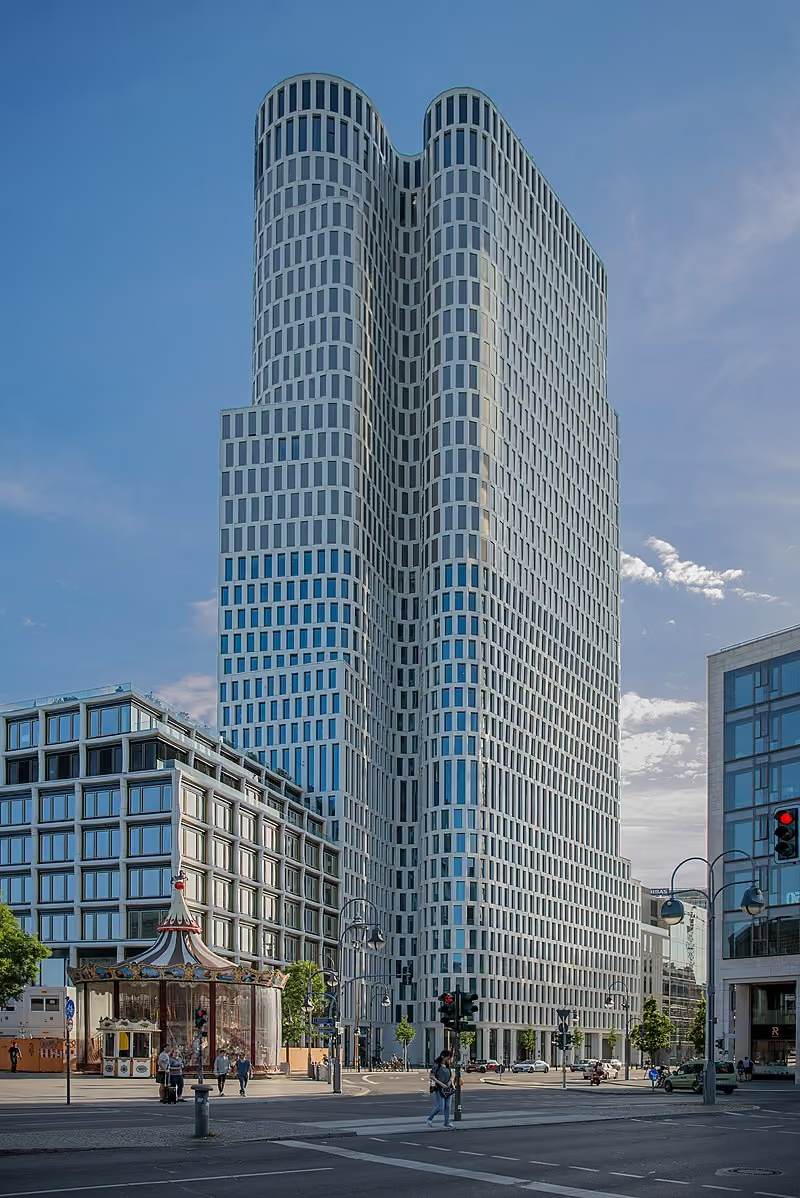
Upper West

Upper Zeil, Frankfurt
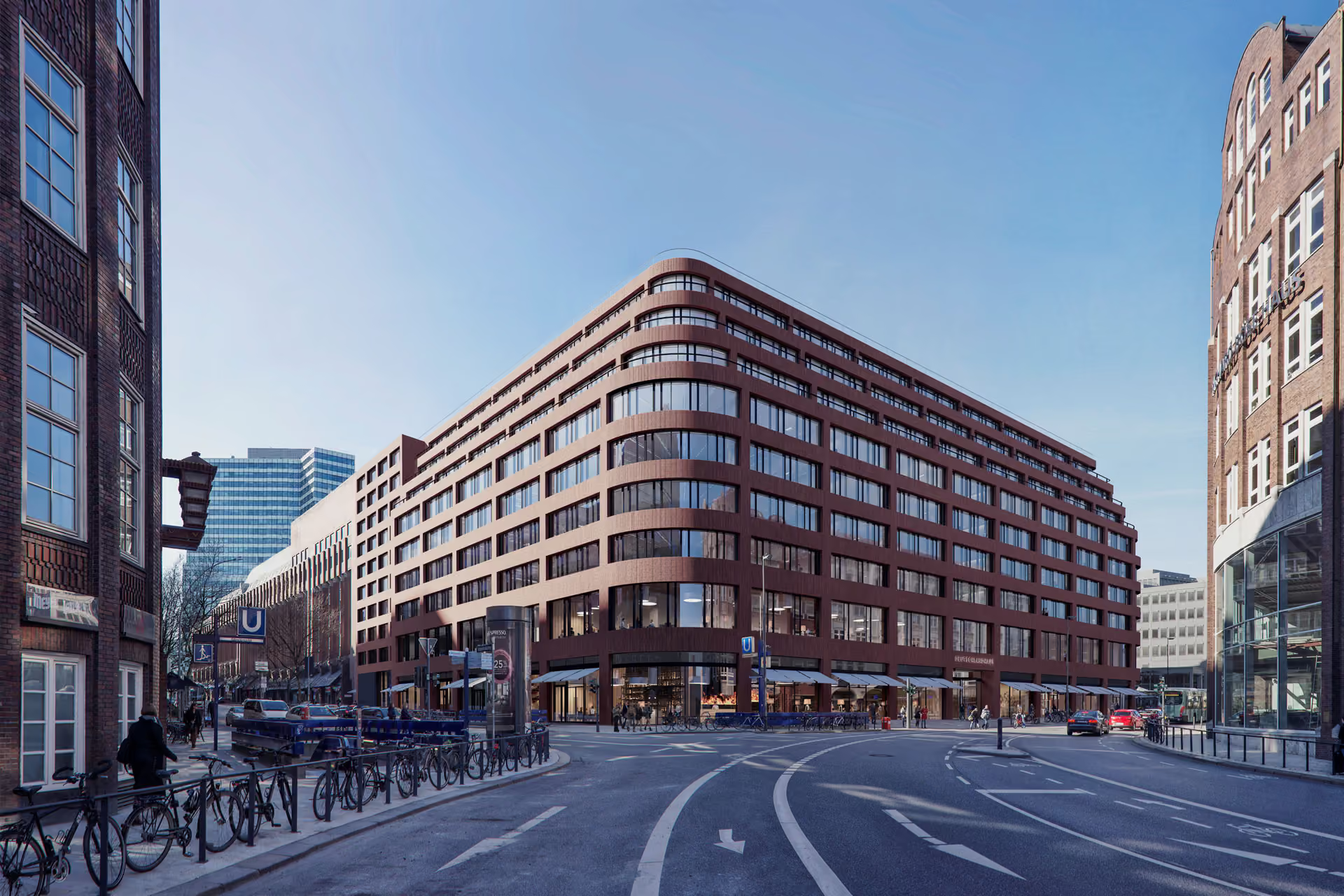
Deutschlandhaus Hamburg
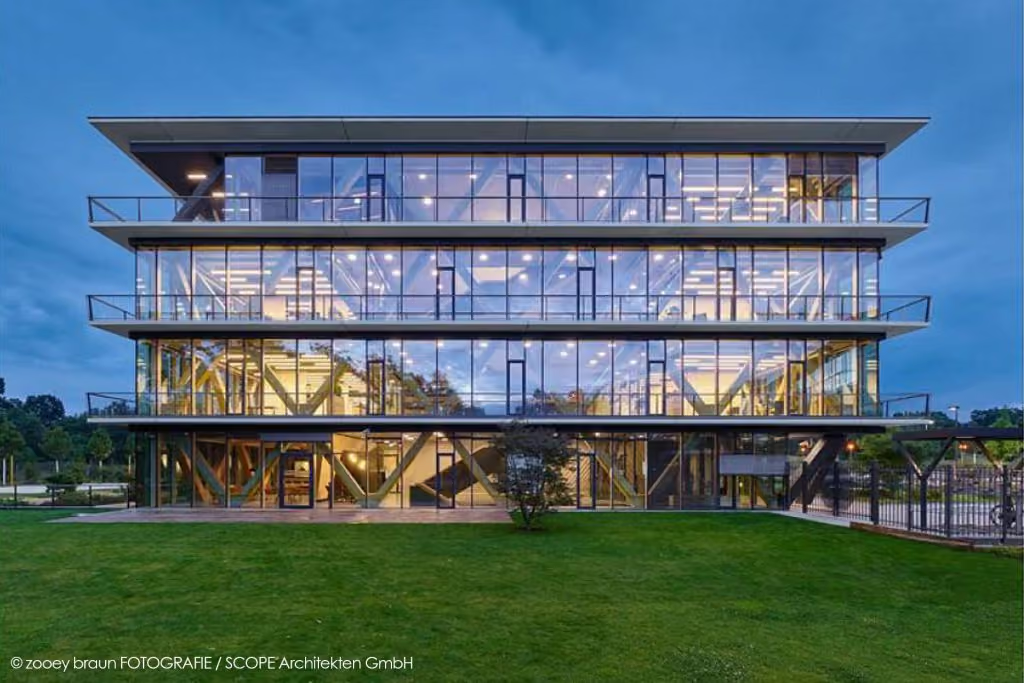
SAP Potsdam
Enerparc Hamburg
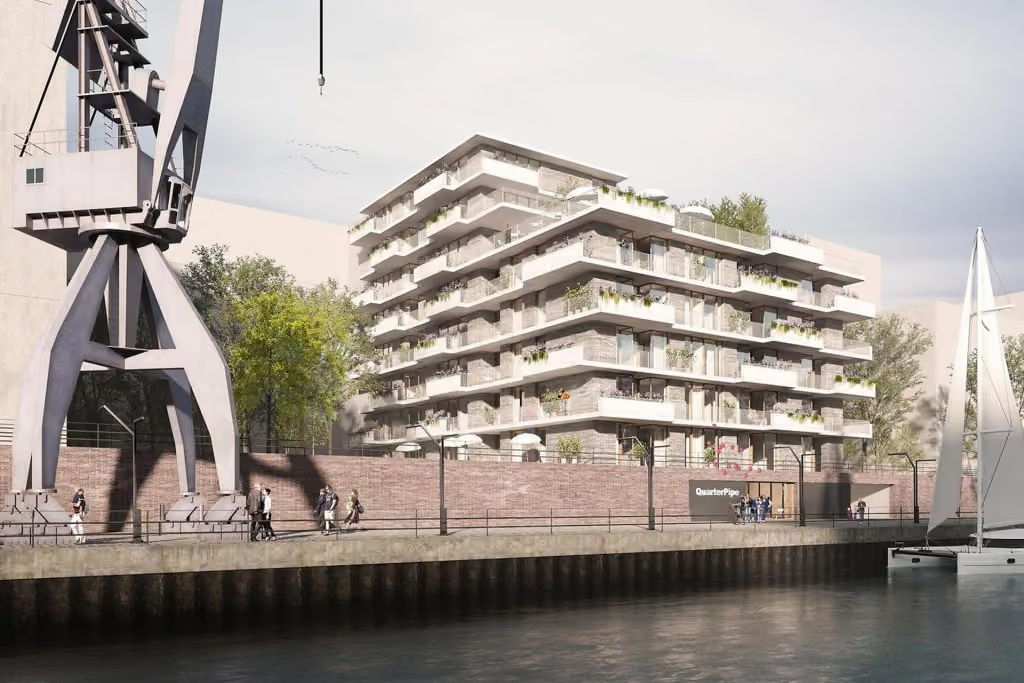
Opus 84 Hamburg
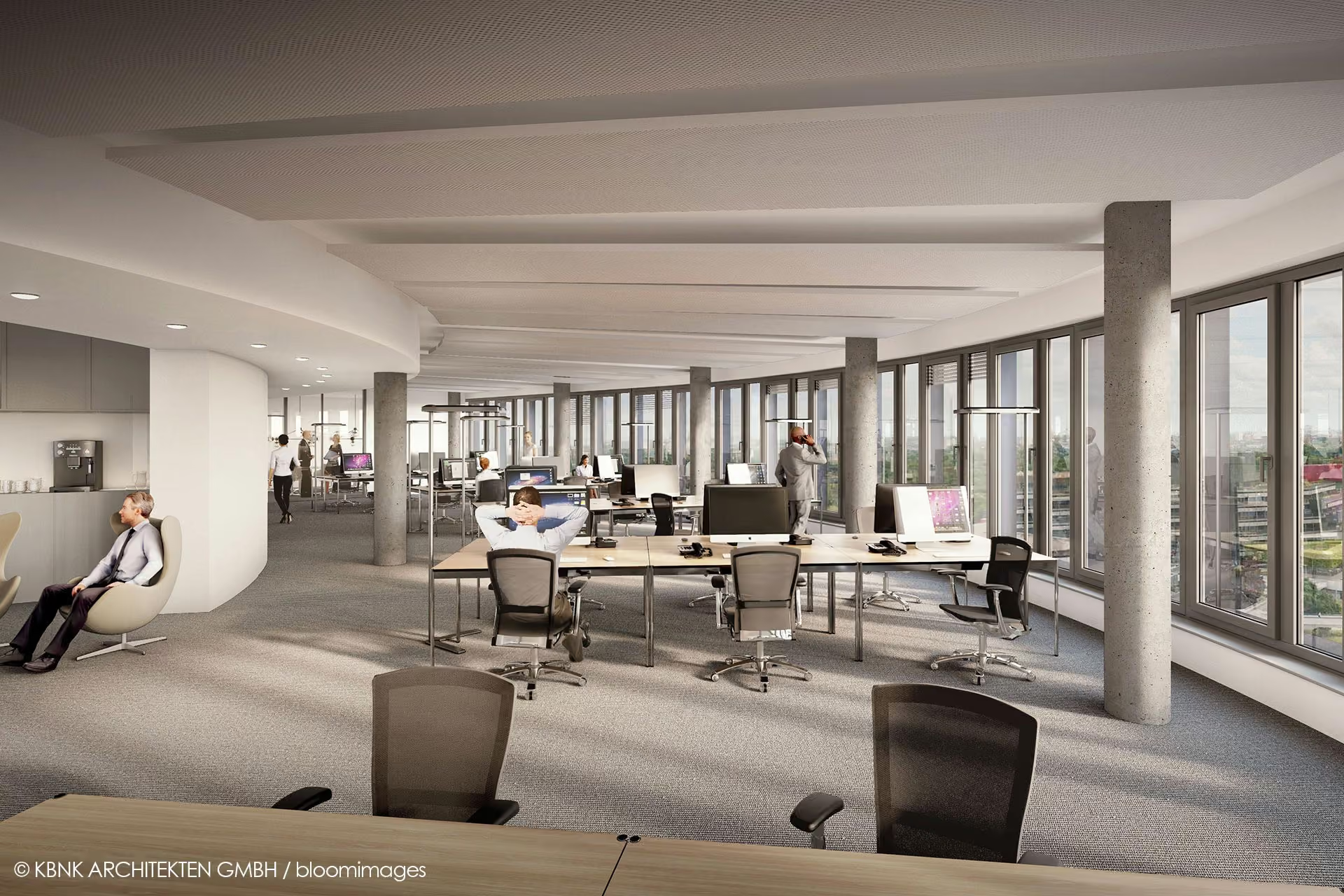
Ipanema Hamburg
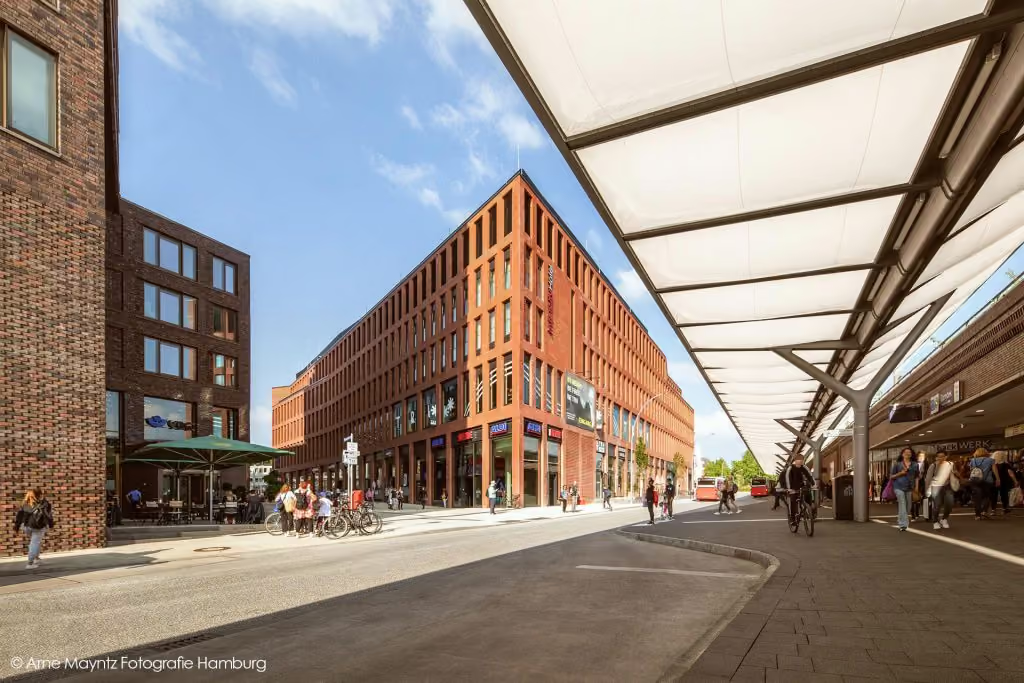
Fuhle 101 Hamburg
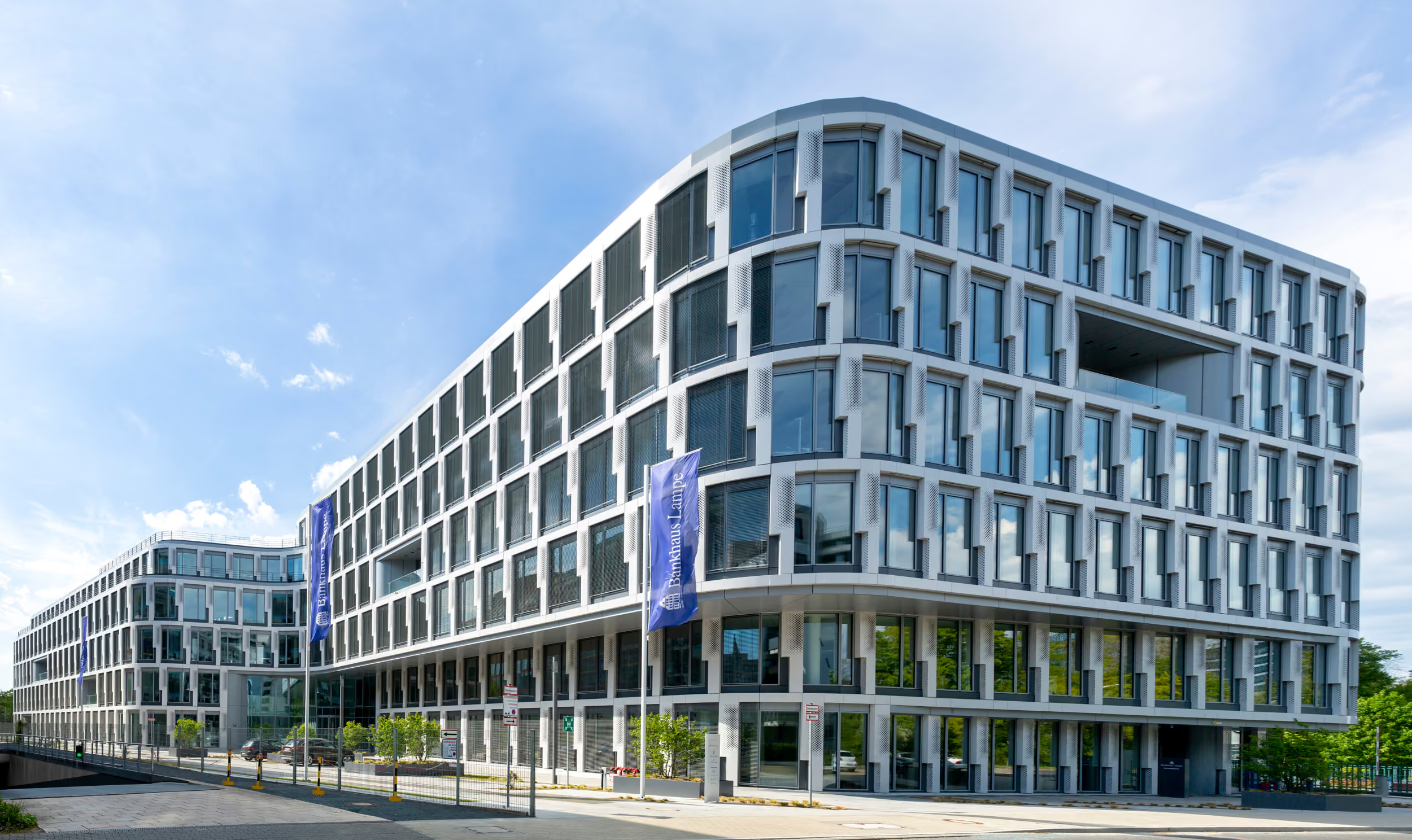
Infinity Office Düsseldorf
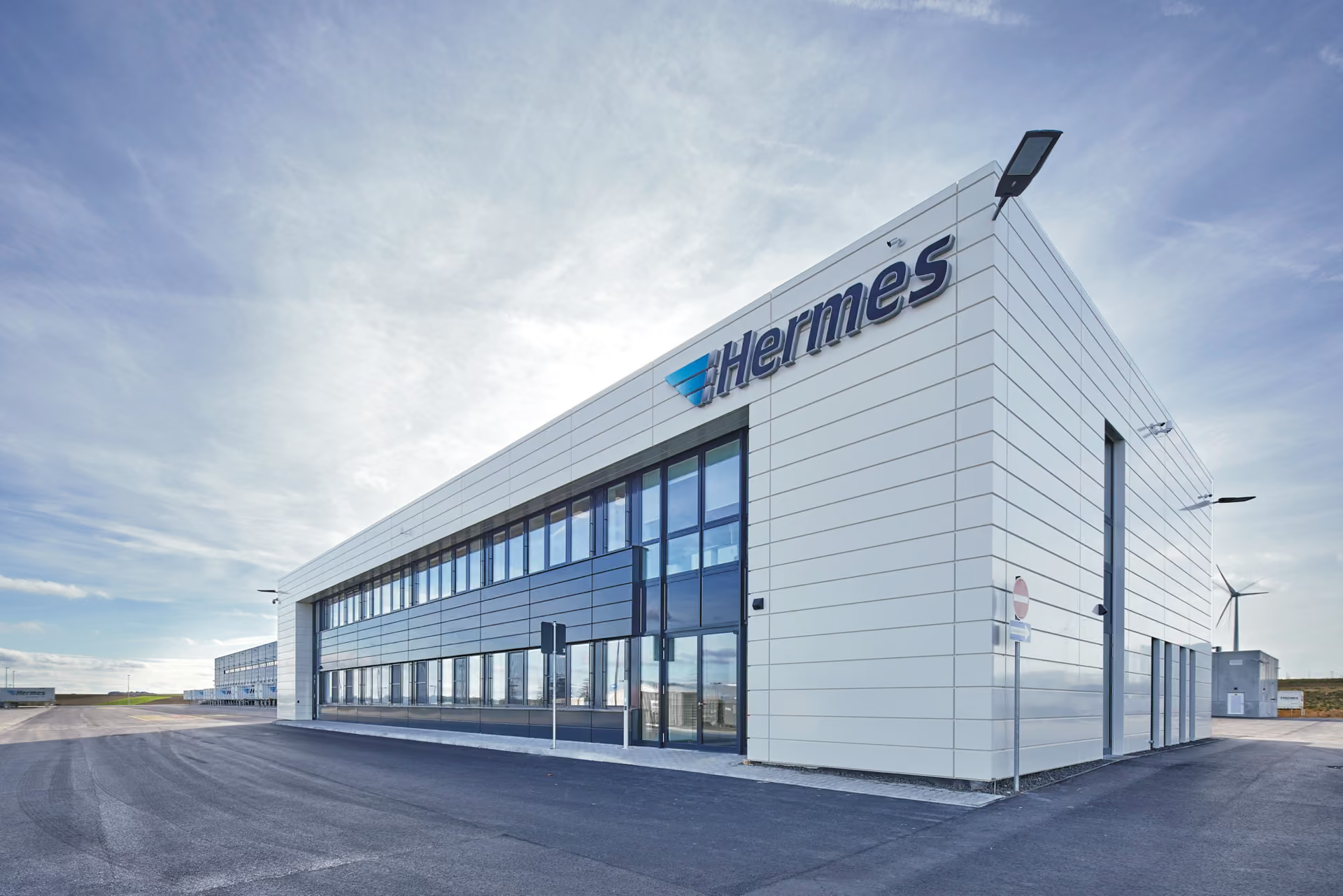
Hermes Bluefield
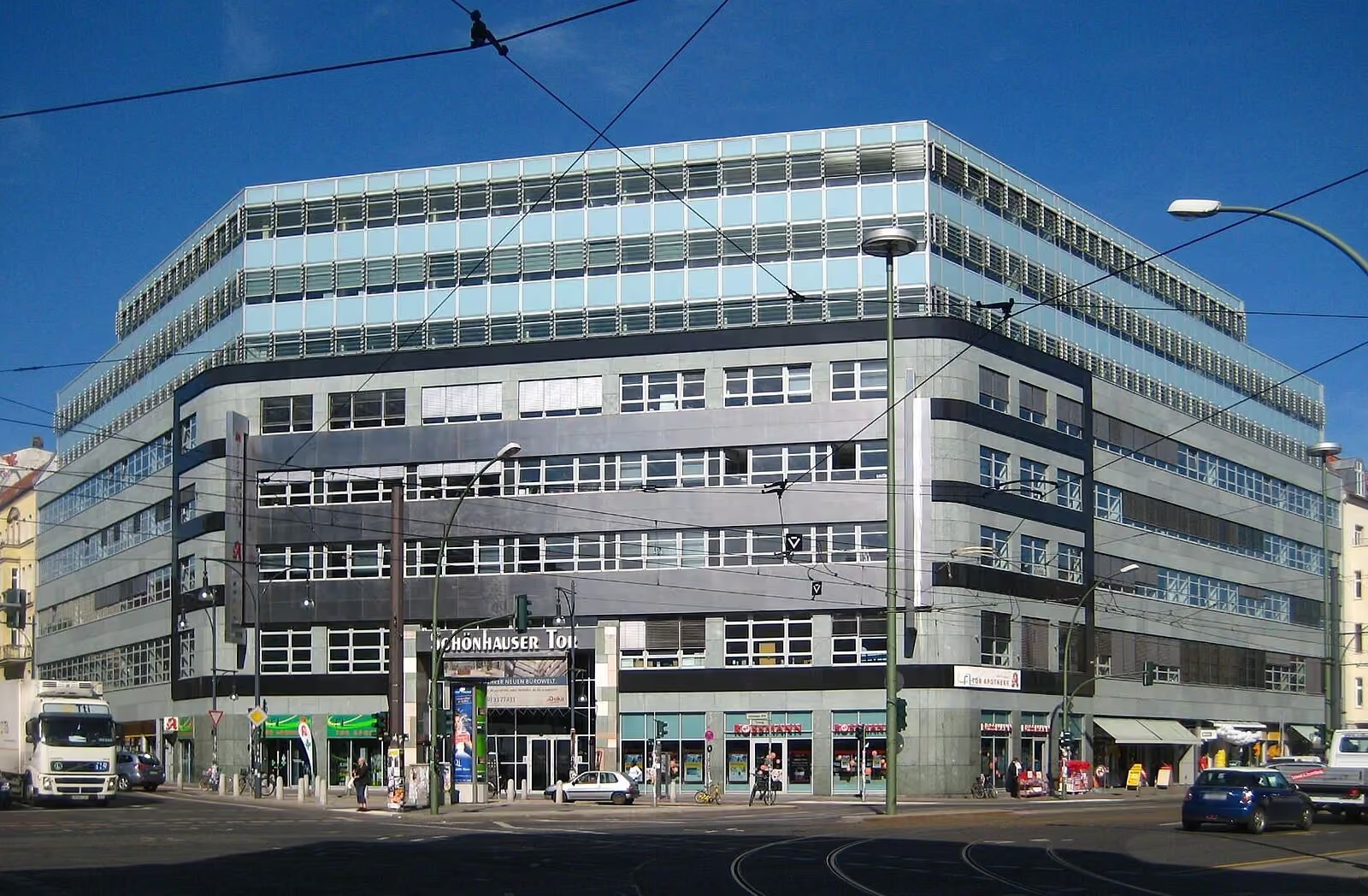
Schönhauser Tor, Berlin
%20Justus%20Grosse%20Immobilienunternehmen).avif)
PEER I Tabakquartier
%2520Justus%2520Grosse%2520Immobilienunternehmen).avif)
LUX I Tabakquartier
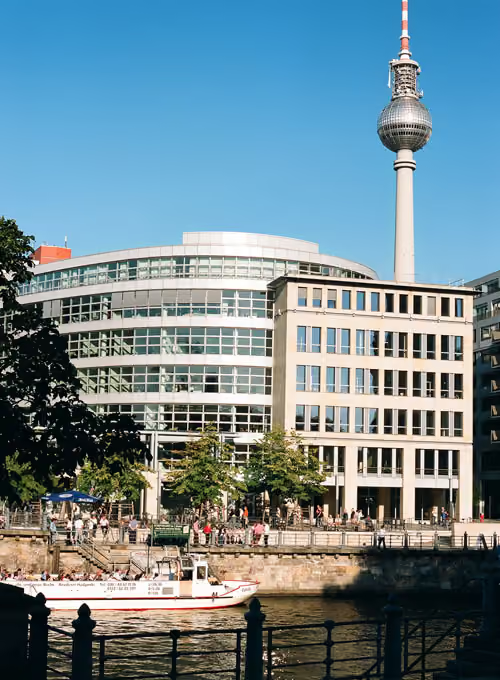
Spreepalais am Dom, Berlin
%2520Justus%2520Grosse%2520Immobilienunternehmen).avif)
ALVA I Tabakquartier
%2520Justus%2520Grosse%2520Immobilienunternehmen%2520(2)).avif)
Tabakquartier
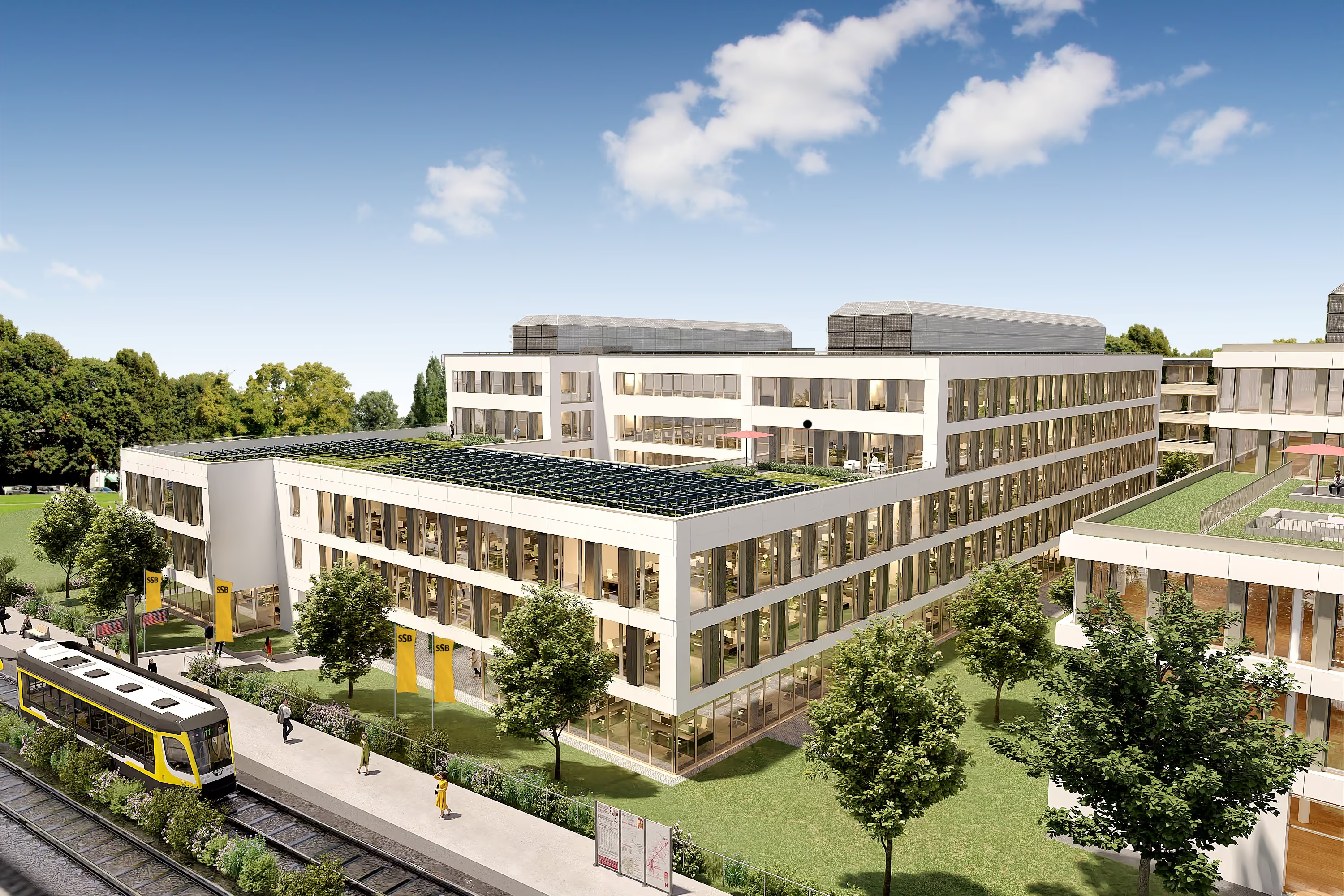
W2 Campus
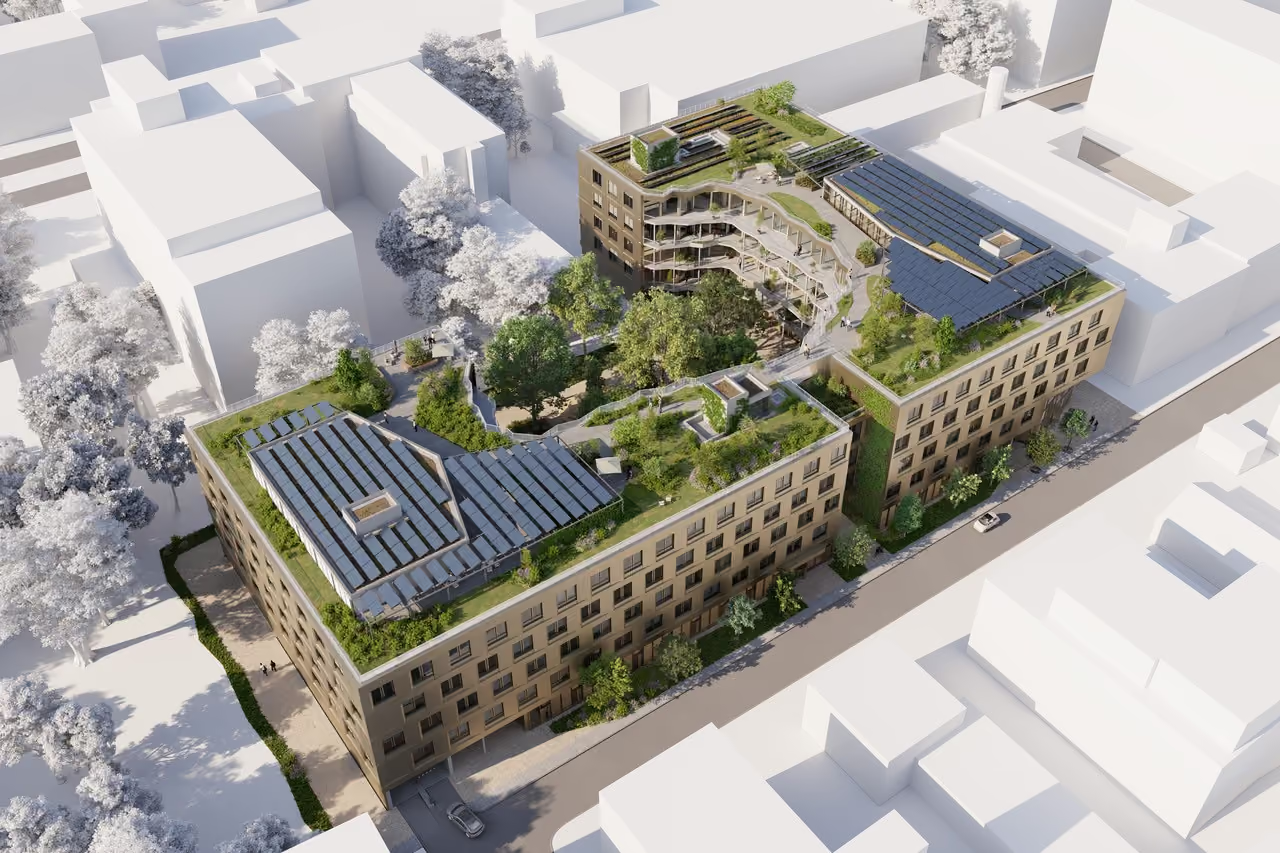
SUN Munich
.avif)
DMK Airport City Bremen
.avif)
Seestern
Frequently Asked Questions
Is the system established in the market?
Not yet, it is currently in the initial implementation phase. However, due to the EU taxonomy and the finite nature of raw materials, it is expected that these required measures will become the standard in the medium term. Those who implement them today gain a competitive edge and publicly demonstrate their leadership role.
Who benefits the most?
Currently for pollutant remediation, demolition, dismantling, and recycling companies. They improve their processes, acquire knowledge of technical inspections and legal requirements, and coordinate with manufacturers on take-back programs. In the medium term, this creates a foundation for standards-compliant and economically viable operations.
Are there any implementation hurdles?
Yes. Industrial and regulatory processes are not yet standardized across all building materials, and the market is still in an early adoption phase. For this reason, the DGNB does not require fixed benchmarks during the initial application phase, but instead allows you to set your own goals and evaluates their implementation.