

DGNB Interiors
The system evaluates interior fit-outs independently of the overall building. This allows for the certification of an individual rental space, even if the base building does not hold a certificate.
The system at a glance
Certification body: DGNB conformity assessment
Einordnung
Bewertet werden Nachhaltigkeit, Gesundheit und Nutzerqualität eines Innenausbaus. Im Fokus stehen das Raumklima, die Materialökologie, der Komfort, die Ressourceneffizienz und die Wirtschaftlichkeit der ausgebauten Flächen.
Weil das System vom Gesamtgebäude absieht, können Sie Ihre Fläche zertifizieren lassen, ohne dass Eigentümer:in oder Vermieter:in ein eigenes Verfahren führen. Bewertet wird das, was Sie im Ausbau tatsächlich in der Hand haben.
Der Nutzen liegt hier weniger im Objektwert als in dem, was Ihre Fläche über Sie als Arbeitgeber:in aussagt.
Mitarbeiterbindung
Public image
Independent of the building
Leasability

When a different system is a better fit
Structural framework and shell, building envelope, primary building services, and the overall energy efficiency of the building are not evaluated in this process. If you require an assessment of these topics, for example for financiers or buyers, the DGNB systems for buildings are the appropriate choice.
The path to certification
Project Check
Strategy
Measures
Certificate
Duration
Until submission
Until certification following documentation submission
What we handle
Vattenfall Südkreuz Berlin
%2520Justus%2520Grosse%2520Immobilienunternehmen).avif)
Lighthouse I Tabakquartier
Glückaufhaus

Skyper Frankfurt

Kastor

Kaufmannshaus
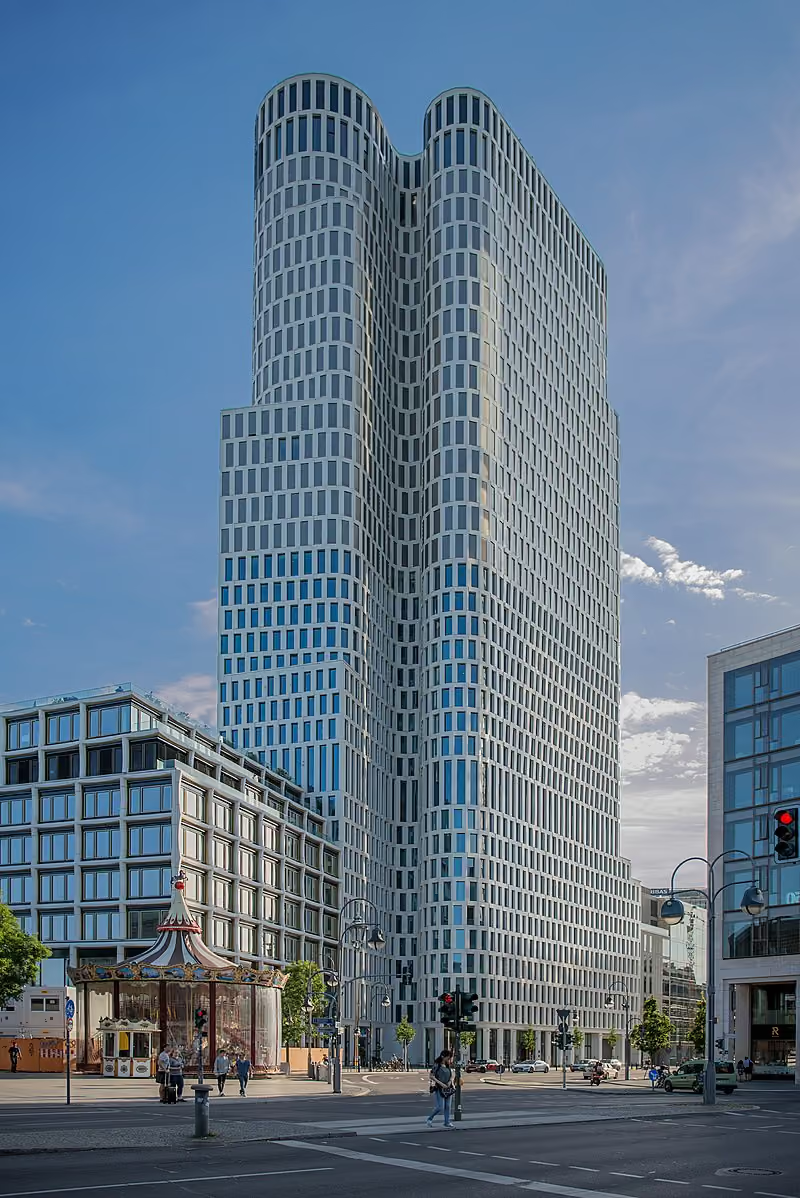
Upper West

Upper Zeil, Frankfurt
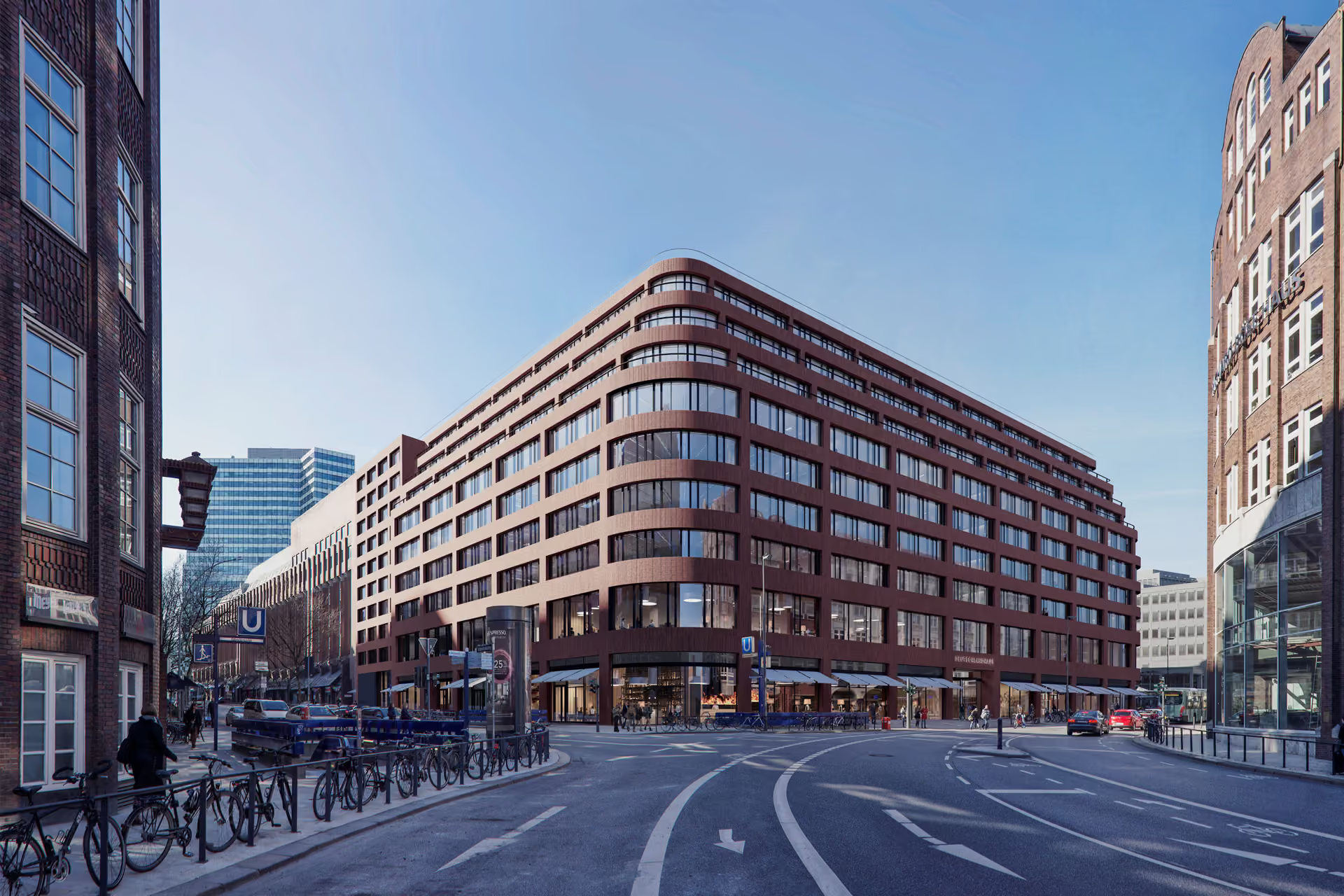
Deutschlandhaus Hamburg
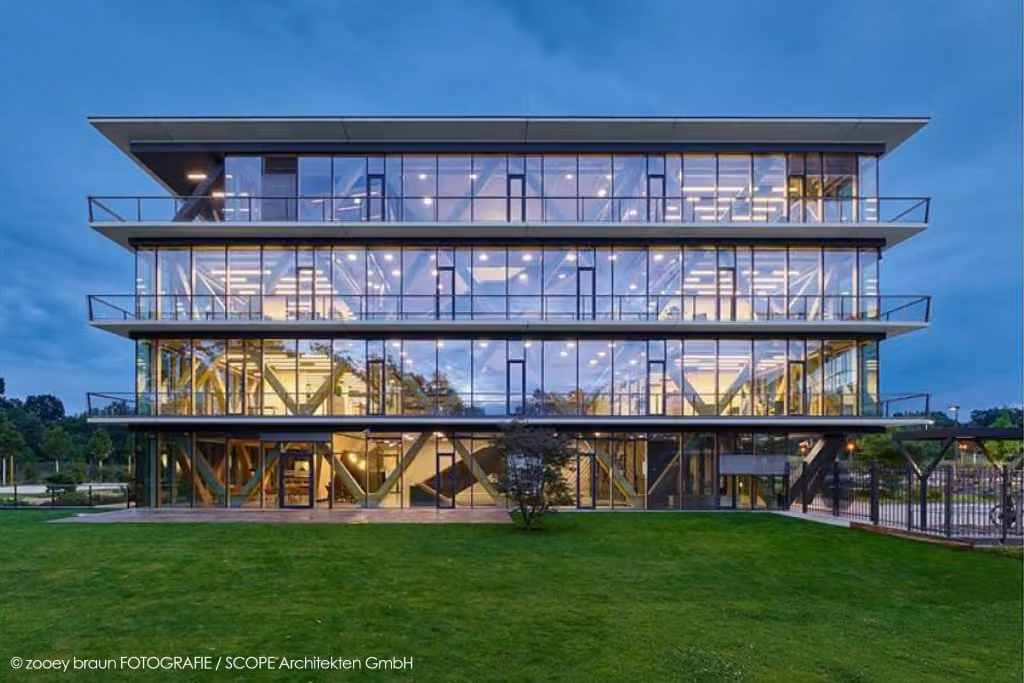
SAP Potsdam
Enerparc Hamburg
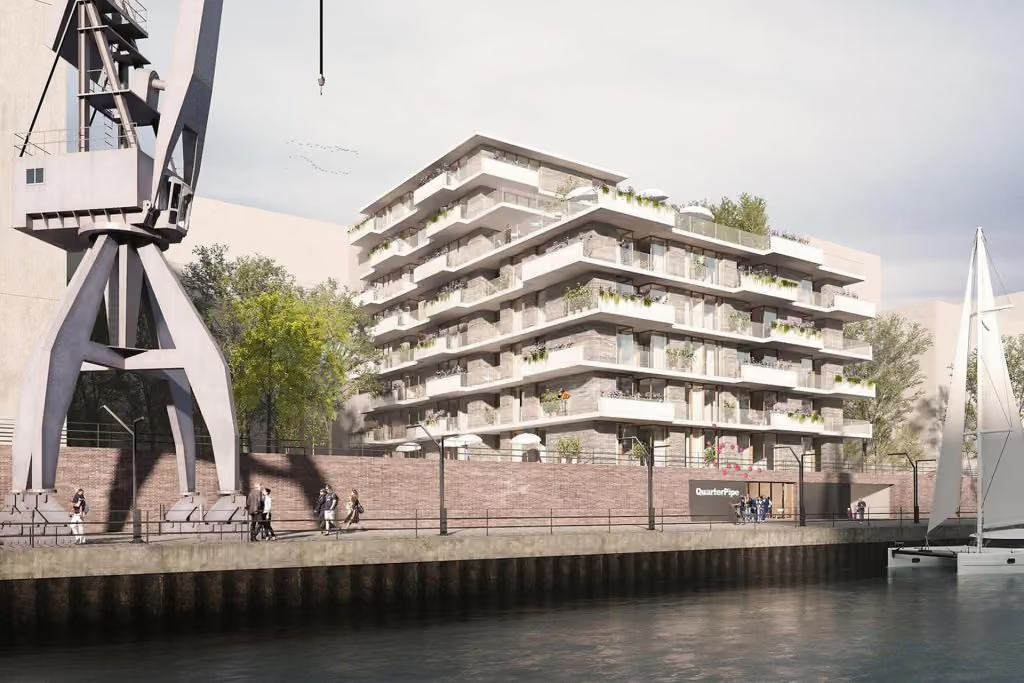
Opus 84 Hamburg
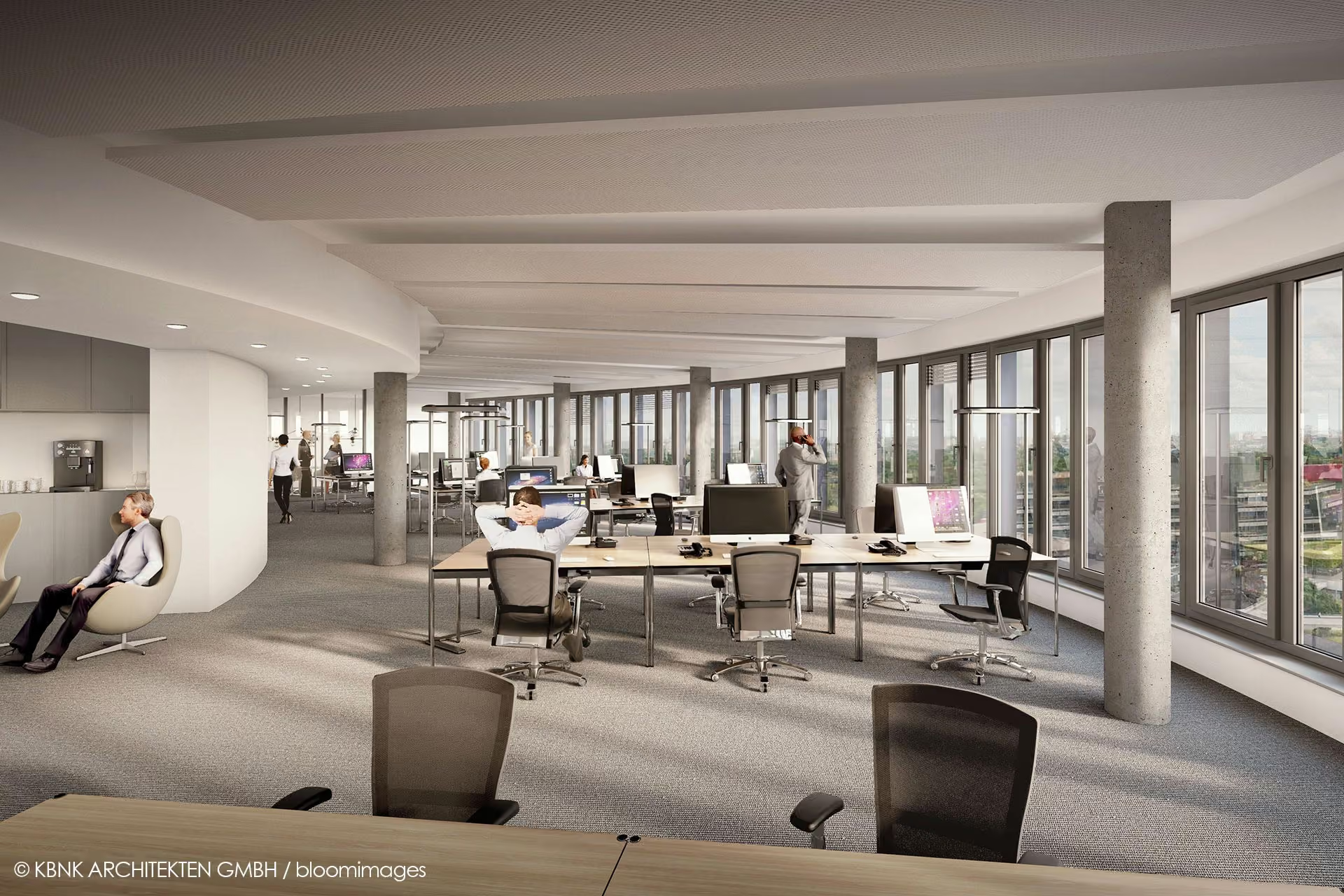
Ipanema Hamburg
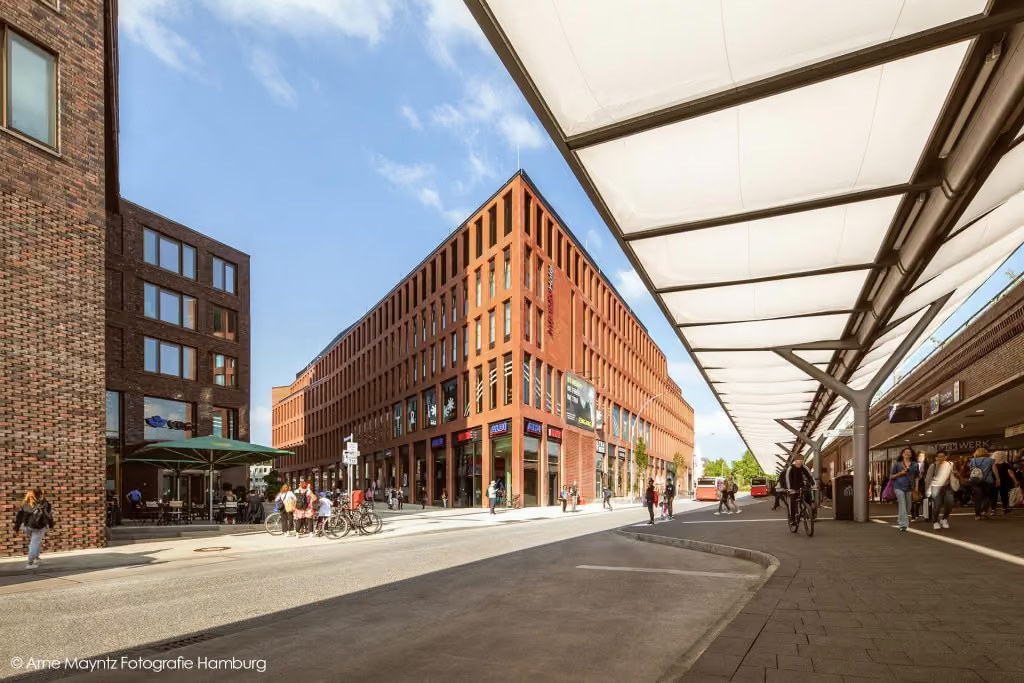
Fuhle 101 Hamburg
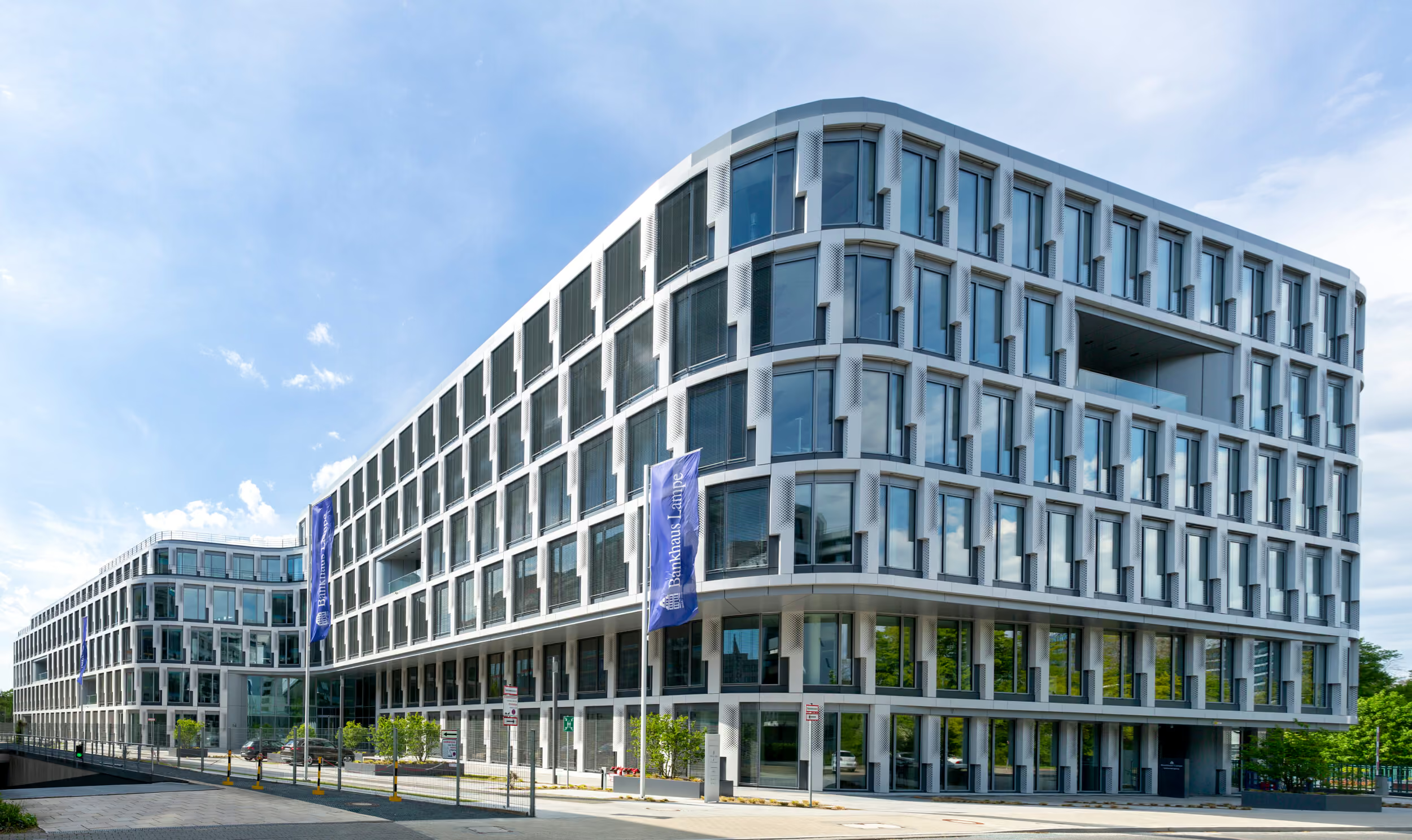
Infinity Office Düsseldorf
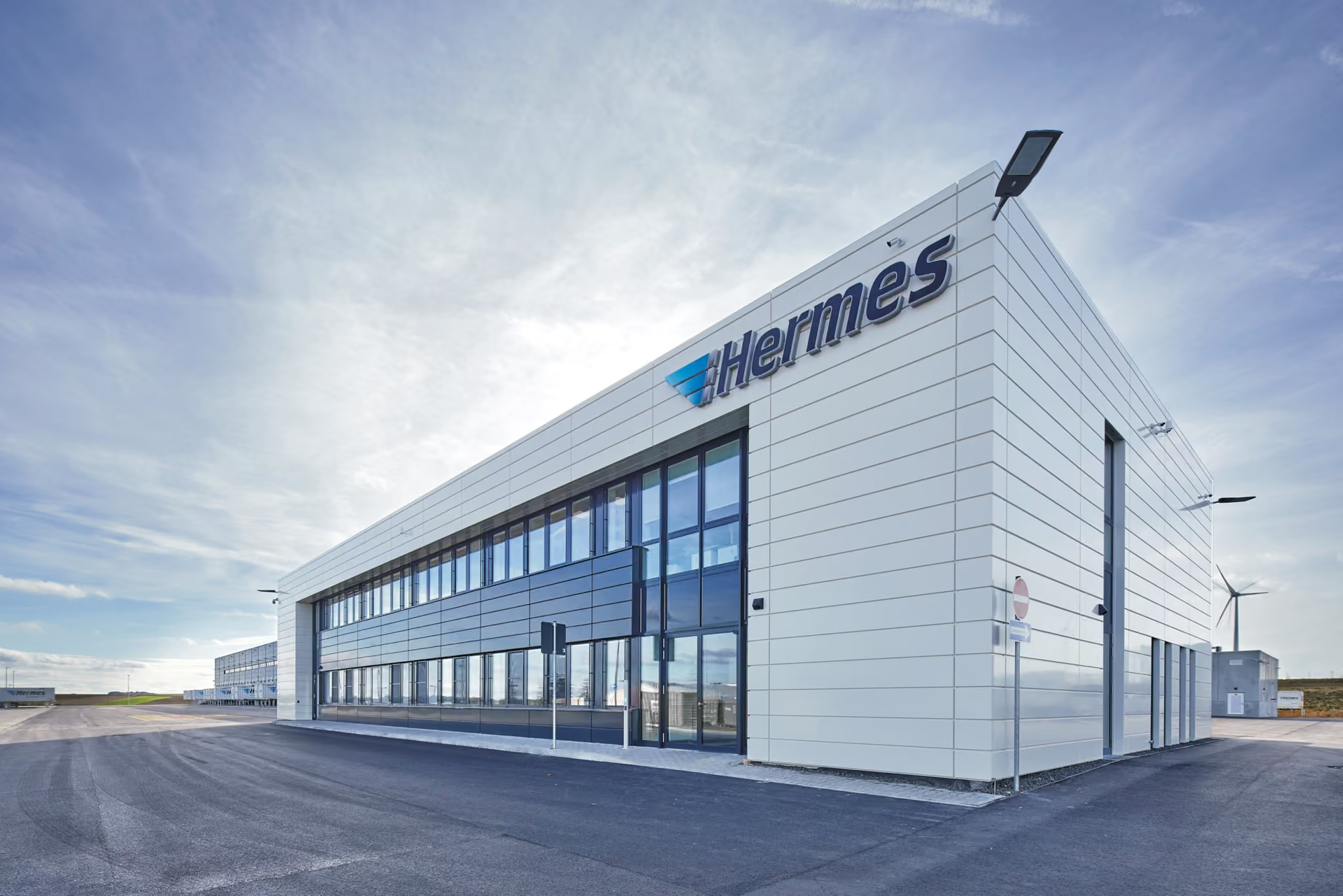
Hermes Bluefield
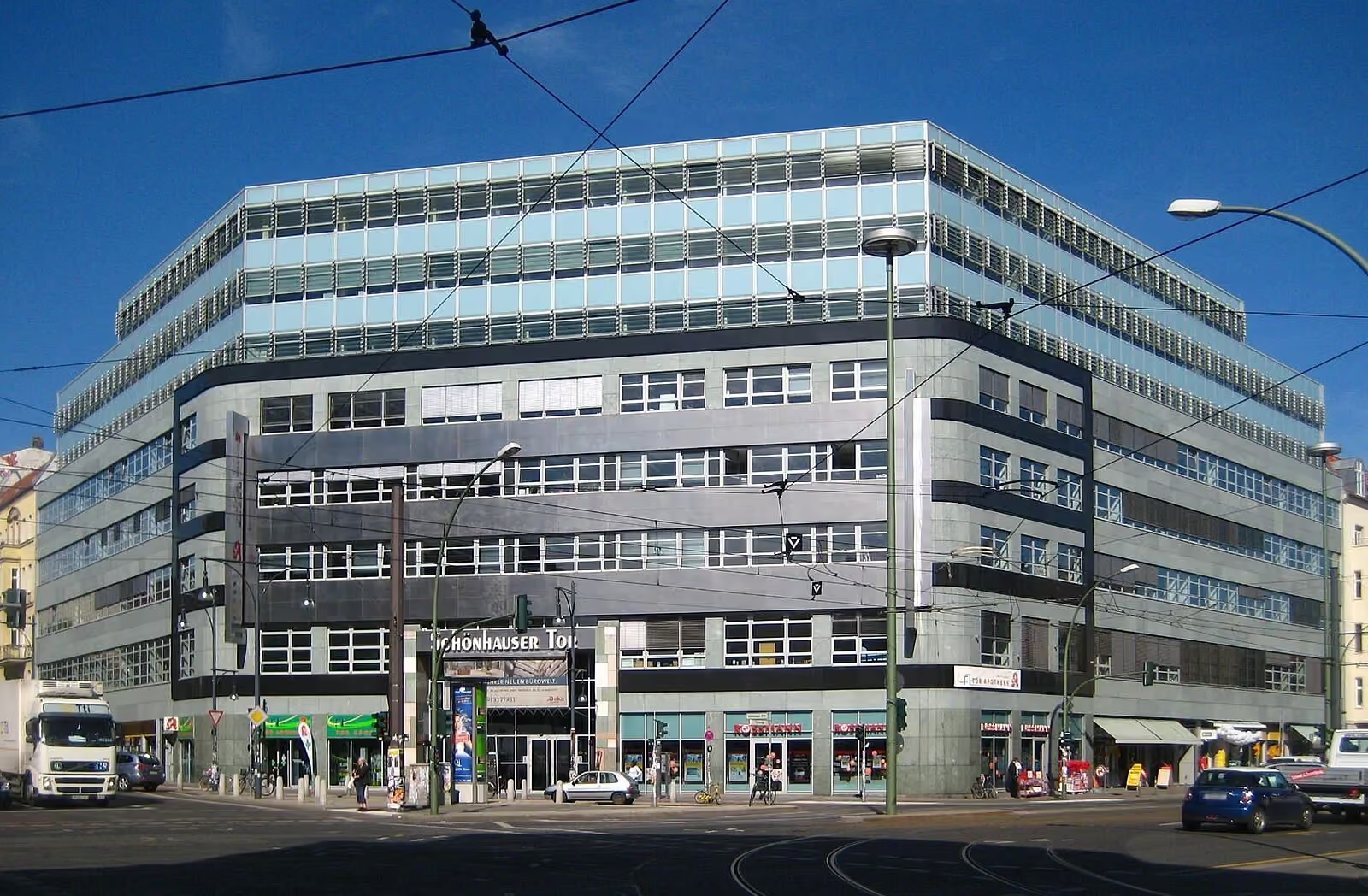
Schönhauser Tor, Berlin
%20Justus%20Grosse%20Immobilienunternehmen).avif)
PEER I Tabakquartier
%2520Justus%2520Grosse%2520Immobilienunternehmen).avif)
LUX I Tabakquartier
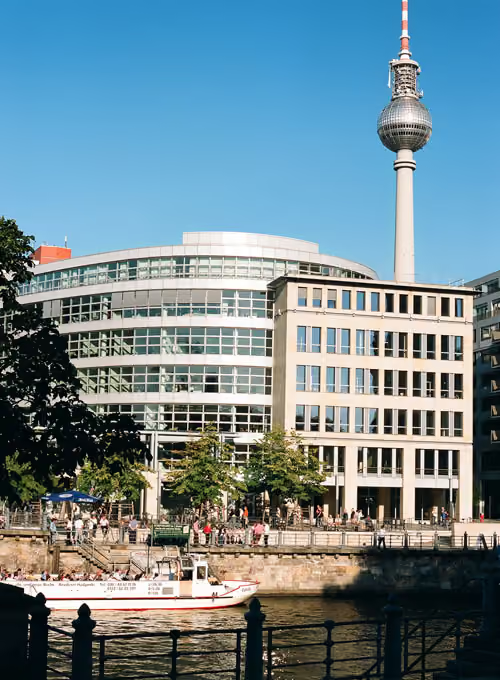
Spreepalais am Dom, Berlin
%2520Justus%2520Grosse%2520Immobilienunternehmen).avif)
ALVA I Tabakquartier
%2520Justus%2520Grosse%2520Immobilienunternehmen%2520(2)).avif)
Tabakquartier

W2 Campus

SUN Munich
.avif)
DMK Airport City Bremen
.avif)
Seestern
Frequently Asked Questions
Do we need to involve the owner or landlord in the process?
No, it is still helpful. There is one exception: if the lease agreement stipulates that the landlord is responsible for the basic fit-out of the space. In that case, requirements regarding acoustics, material ecology, and other topics must be included as specifications in the lease. If you take over the space at the screed-ready stage, implementation is entirely up to you.
How does this system differ from building certification?
The structural framework, building shell, primary building services, and overall energy efficiency are not considered. Instead, the assessment focuses on furniture and equipment, technical components such as IT, kitchenettes, break rooms, and conference areas, as well as interior qualities like acoustics, lighting, and ergonomics—in short, everything determined by the tenant fit-out.
What has proven to be the most challenging in practice?
The life cycle assessment for furniture. It is not a minimum requirement, but the gold standard, and it requires manufacturers to disclose the materials and mass of the components used. Manufacturers of system furniture provide this, while manufacturers of decorative furniture generally do not. The more homogeneous the furnishings, the easier it is to provide the documentation.