

QNG Sustainable Building Quality Seal
The state-recognized proof of sustainable construction in Germany. In conjunction with a recognized building certification, it unlocks the highest funding conditions of the KfW "Climate-Friendly New Construction" program.

The system at a glance
Testing body: four accredited supporting systems verify conformity: DGNB, NaWoh, BiRN, and the Steinbeis-Transfer-Institut Bau- und Immobilienwirtschaft (STI BWI)

Classification
The QNG seal is not an independent assessment system but builds upon a recognized building certification. Four supporting systems are accredited for this: DGNB, NaWoh, BiRN, and the Steinbeis-Transfer-Institut Bau- und Immobilienwirtschaft. Which one suits your project depends on the building type, the desired level of effort, and what you want to achieve with the certificate beyond the funding.
Sustainability is assessed over the entire life cycle of the building, across two requirement levels and two seal variants for residential and non-residential buildings. The economic leverage lies in the funding, which is based on a KfW loan.
Here, the advantage can be quantified in euros
Higher eligible loan volume
Subsidy bonus for renovations
Lower operating costs
Resale value

When a different system is a better fit
The funding conditions require a KfW loan. If you are not taking out a loan—for example, because you are financing through insurance contributions—or if your local bank offers better terms than the KfW, the economic leverage is lost, and with it, the reason for the seal. We clarify whether the effort is worthwhile beforehand, not in the middle of the process.
The second hurdle is the CO2 limit. For residential buildings, it is a maximum of 24 kilograms of CO2 equivalents per square meter per year; for non-residential buildings, it is calculated via the GEG or GModG verification. Because tenant electricity is factored in at a fixed rate, the target is only achievable if a significant amount of renewable energy is generated on-site or if the construction is low-carbon. This assessment determines whether the process even begins.
The path to certification
Project check
Strategy
Measures
Certificate
Duration
Until submission
Multi-family homes, serial housing, and non-residential buildings up to 5-6 years, consisting of approximately 3 years of planning and 2-3 years of construction time
Completion to certification
What we handle
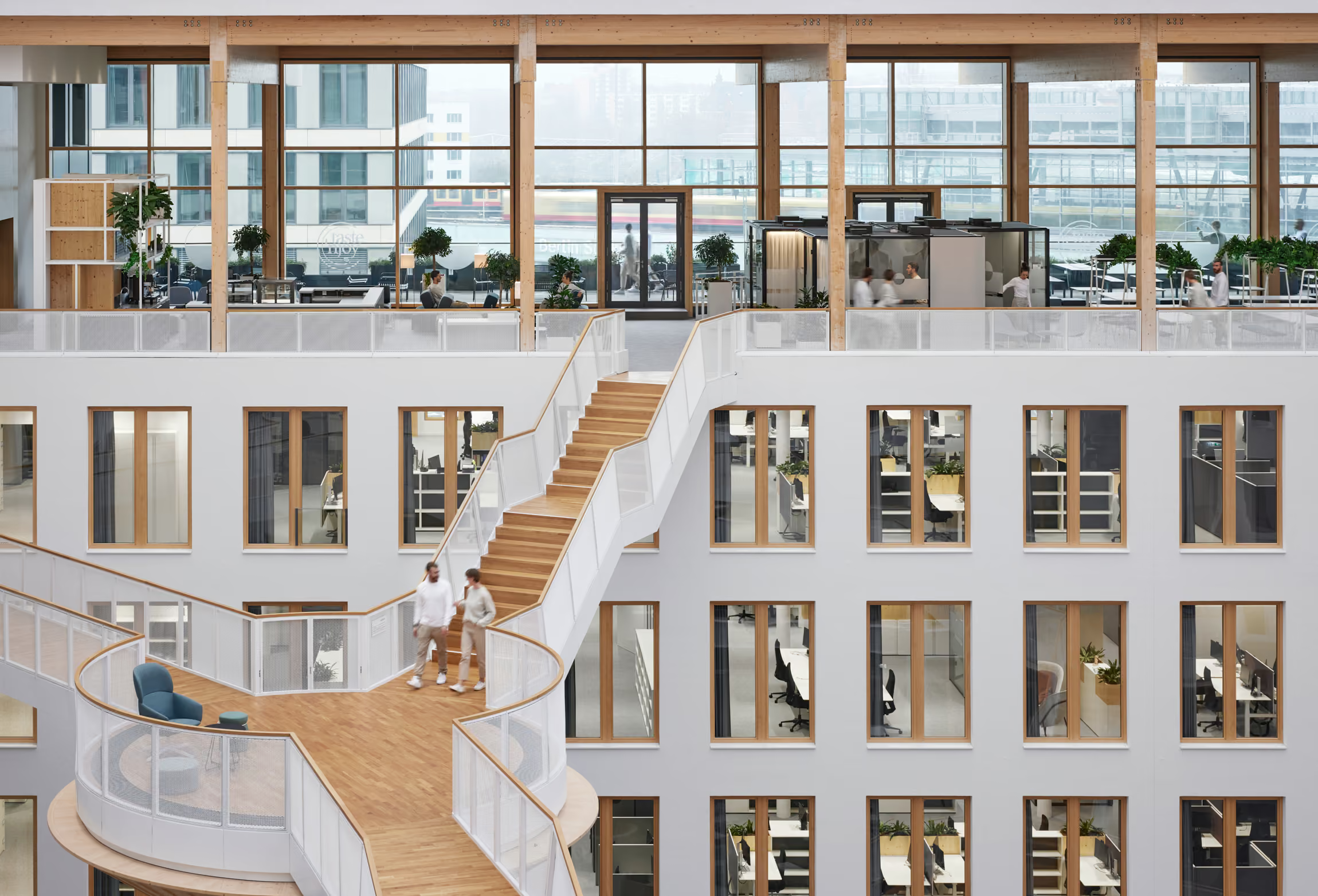
Vattenfall Südkreuz Berlin
%2520Justus%2520Grosse%2520Immobilienunternehmen).avif)
Lighthouse I Tabakquartier
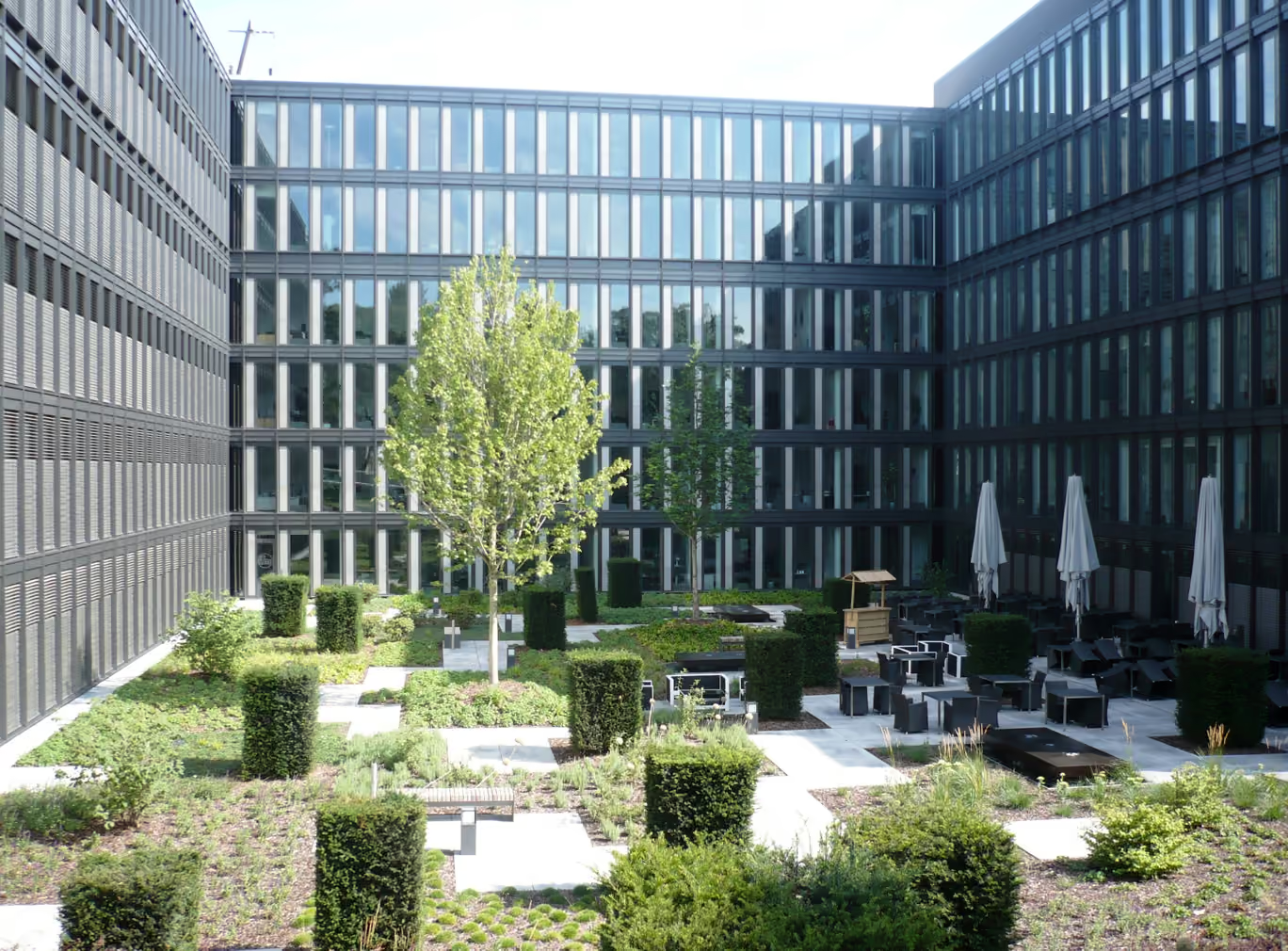
Glückaufhaus

Skyper Frankfurt

Kastor
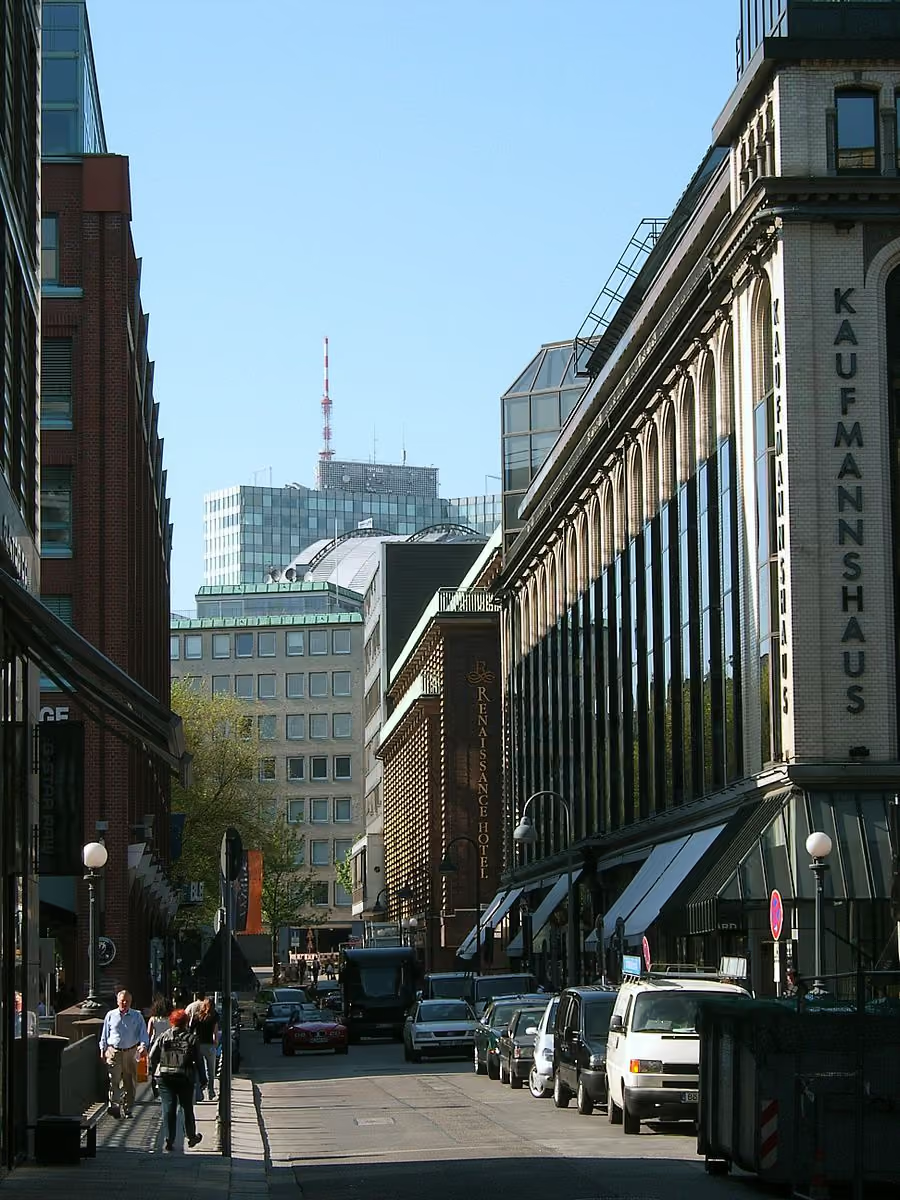
Kaufmannshaus
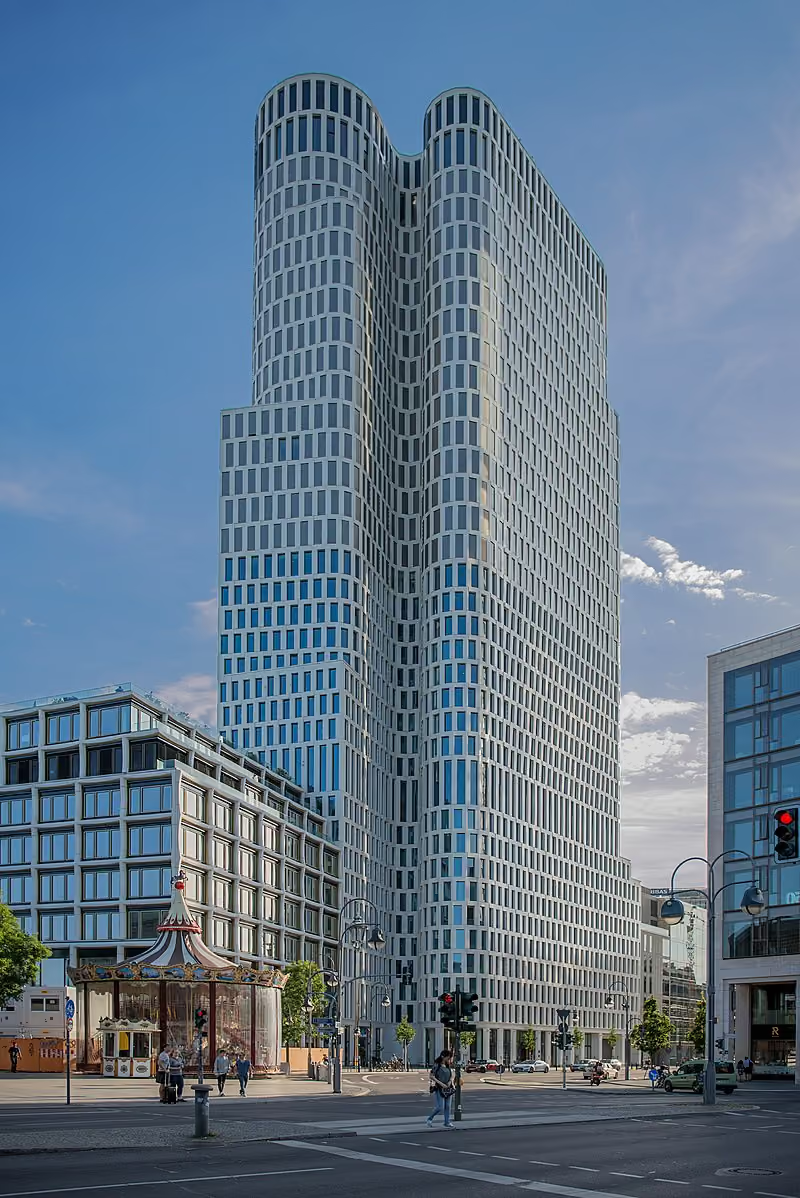
Upper West

Upper Zeil, Frankfurt
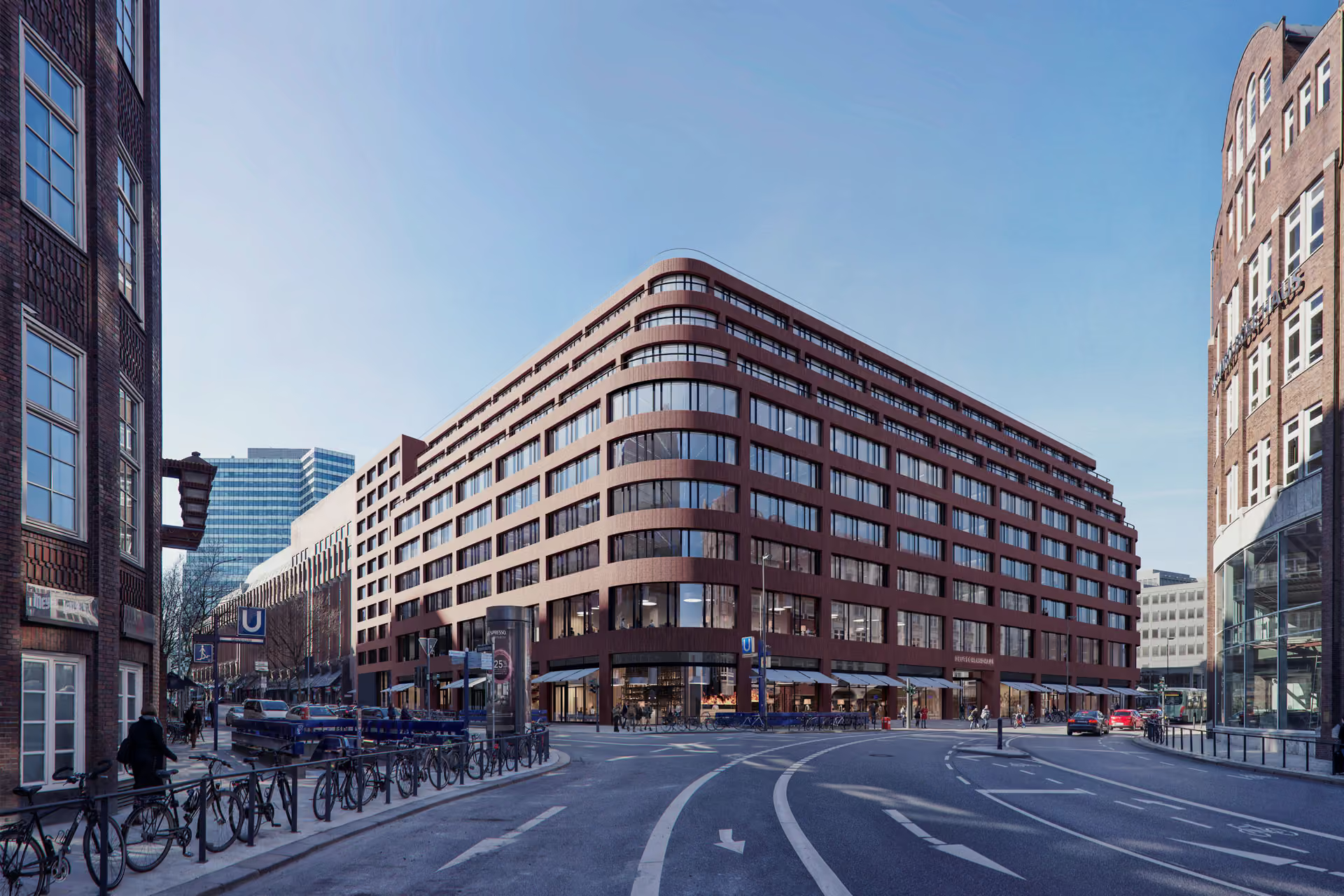
Deutschlandhaus Hamburg
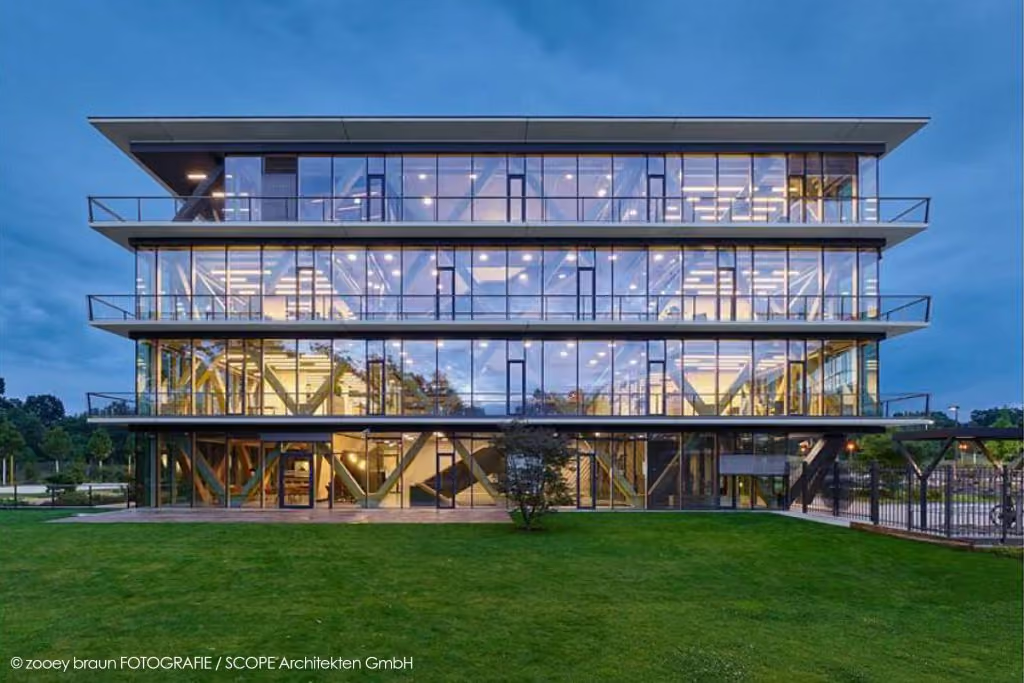
SAP Potsdam
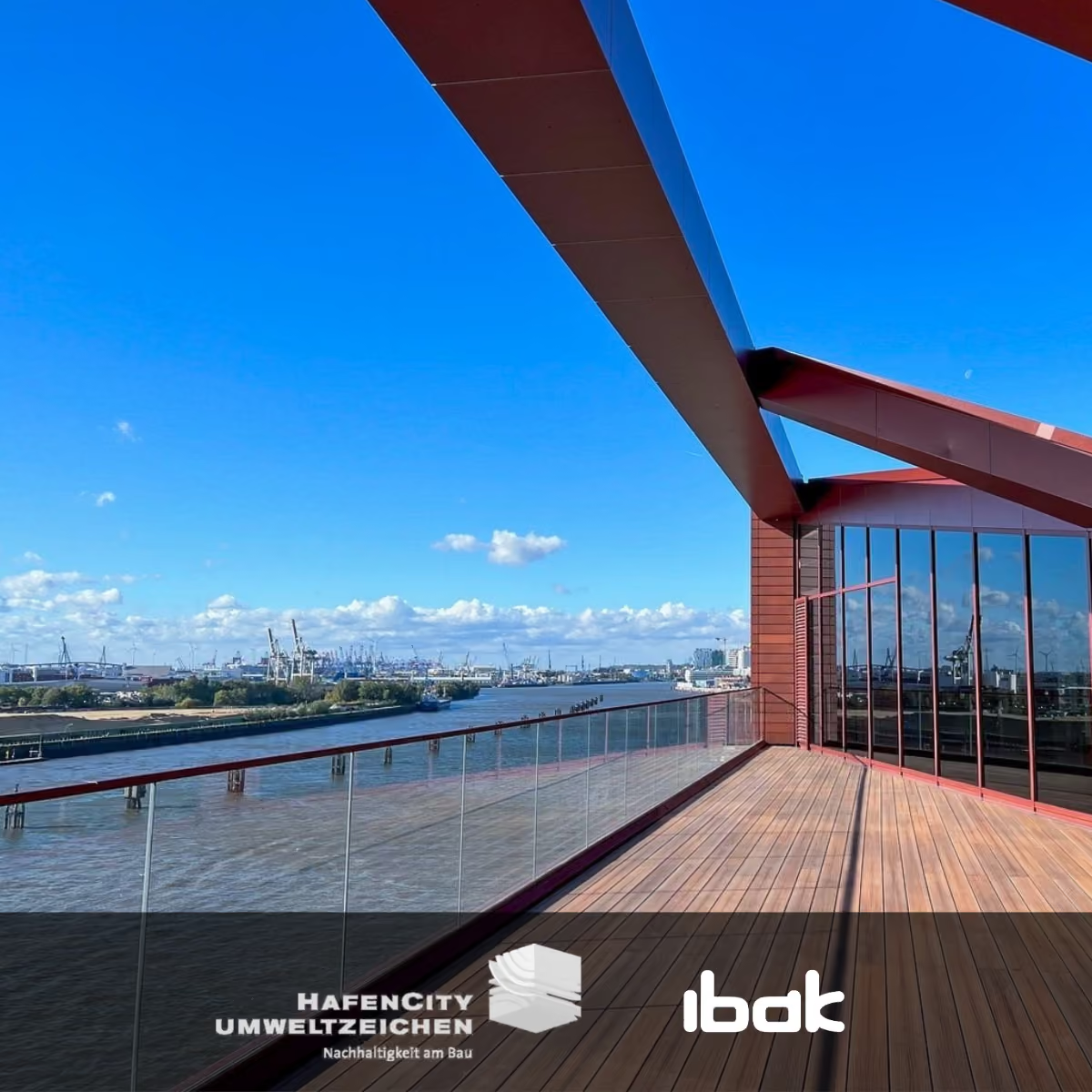
Enerparc Hamburg
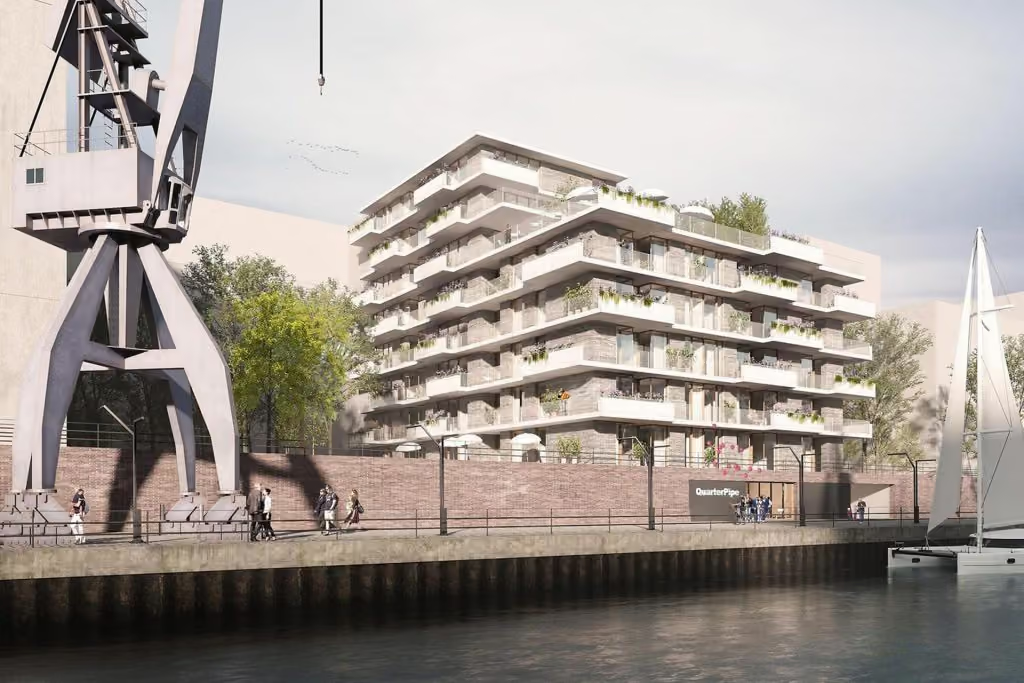
Opus 84 Hamburg
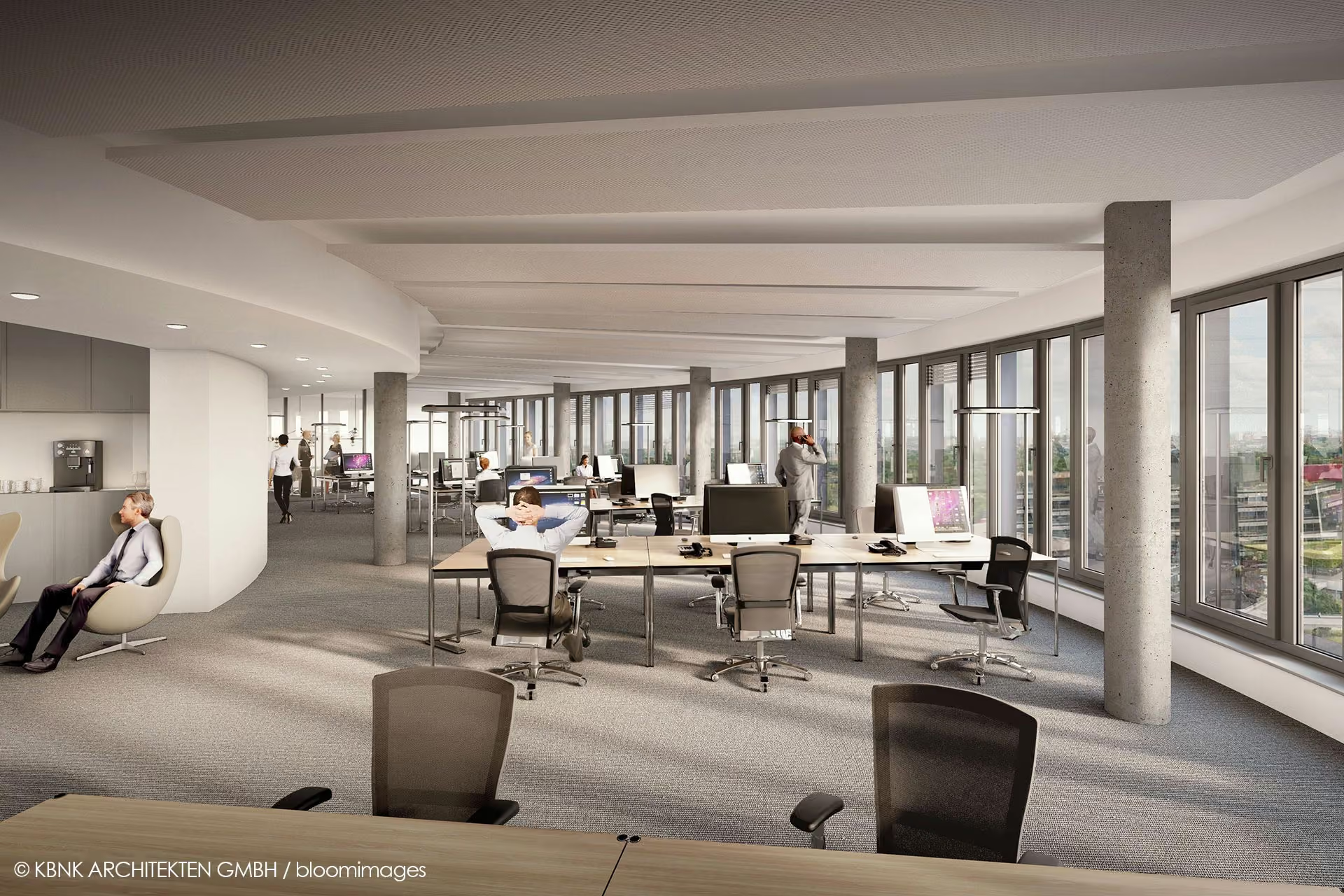
Ipanema Hamburg
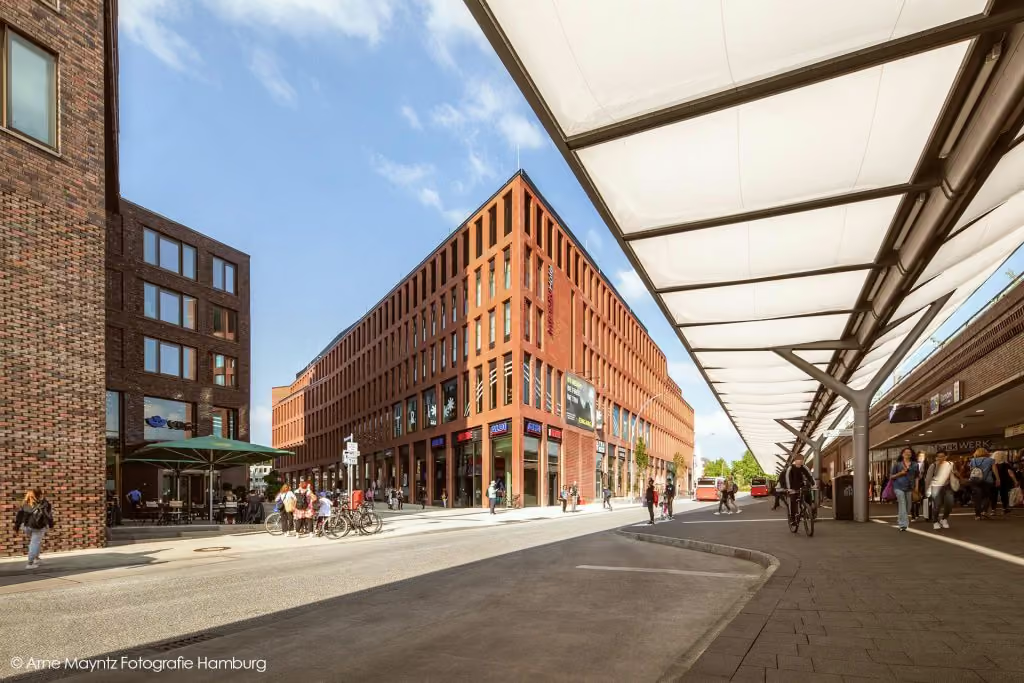
Fuhle 101 Hamburg
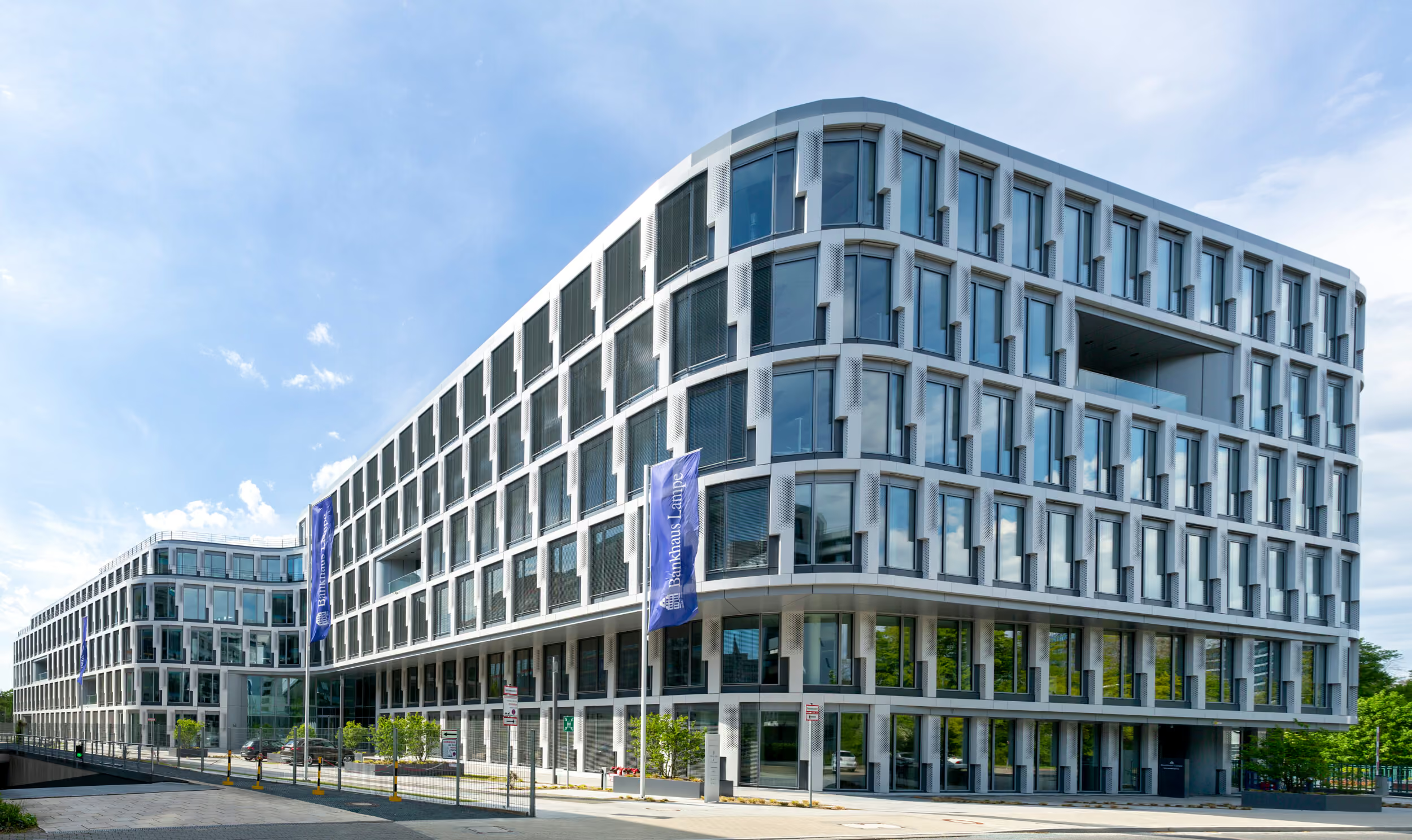
Infinity Office Düsseldorf
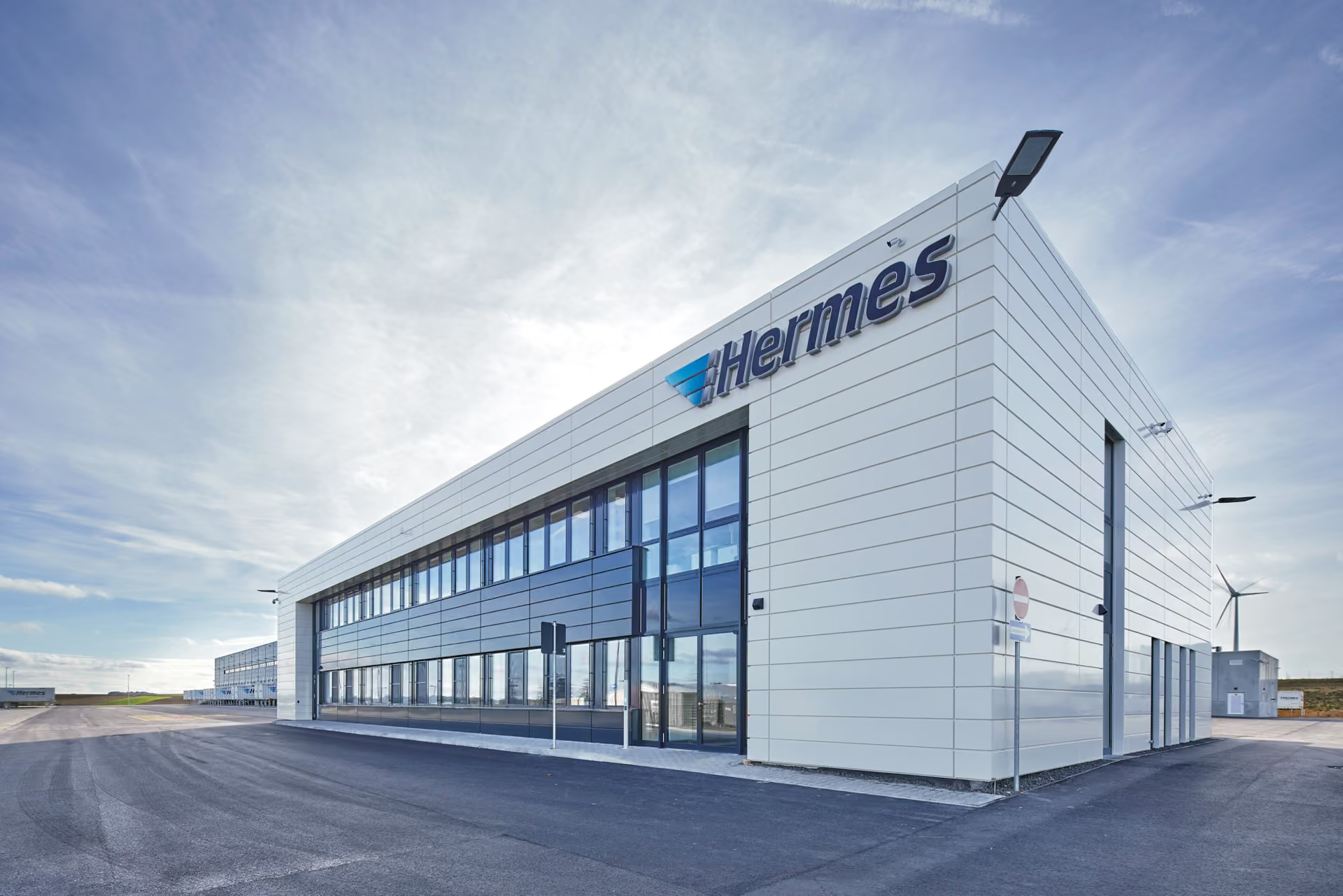
Hermes Bluefield
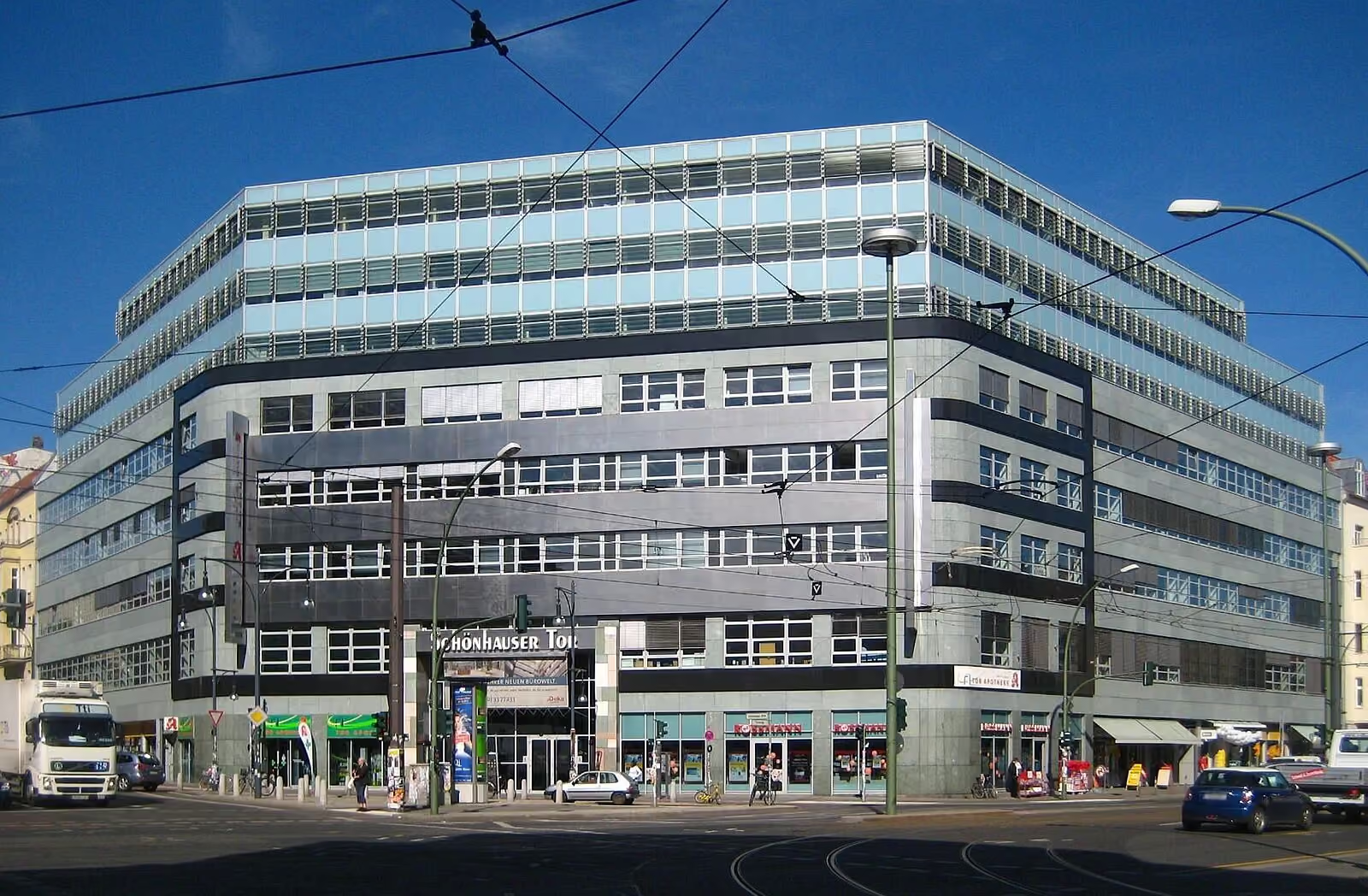
Schönhauser Tor, Berlin
%20Justus%20Grosse%20Immobilienunternehmen).avif)
PEER I Tabakquartier
%2520Justus%2520Grosse%2520Immobilienunternehmen).avif)
LUX I Tabakquartier
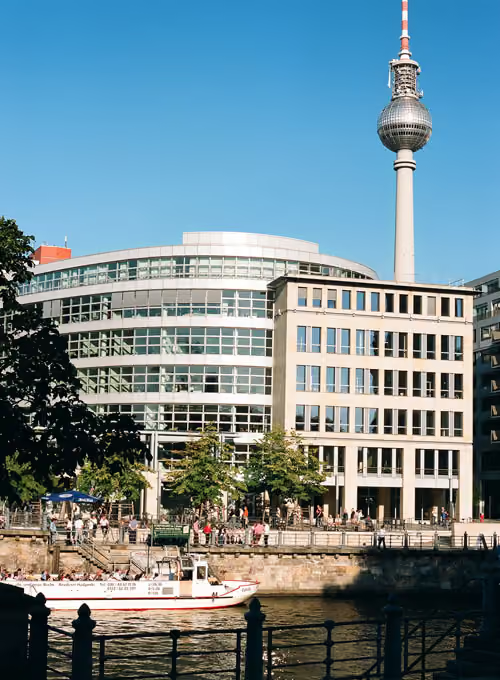
Spreepalais am Dom, Berlin
%2520Justus%2520Grosse%2520Immobilienunternehmen).avif)
ALVA I Tabakquartier
%2520Justus%2520Grosse%2520Immobilienunternehmen%2520(2)).avif)
Tabakquartier
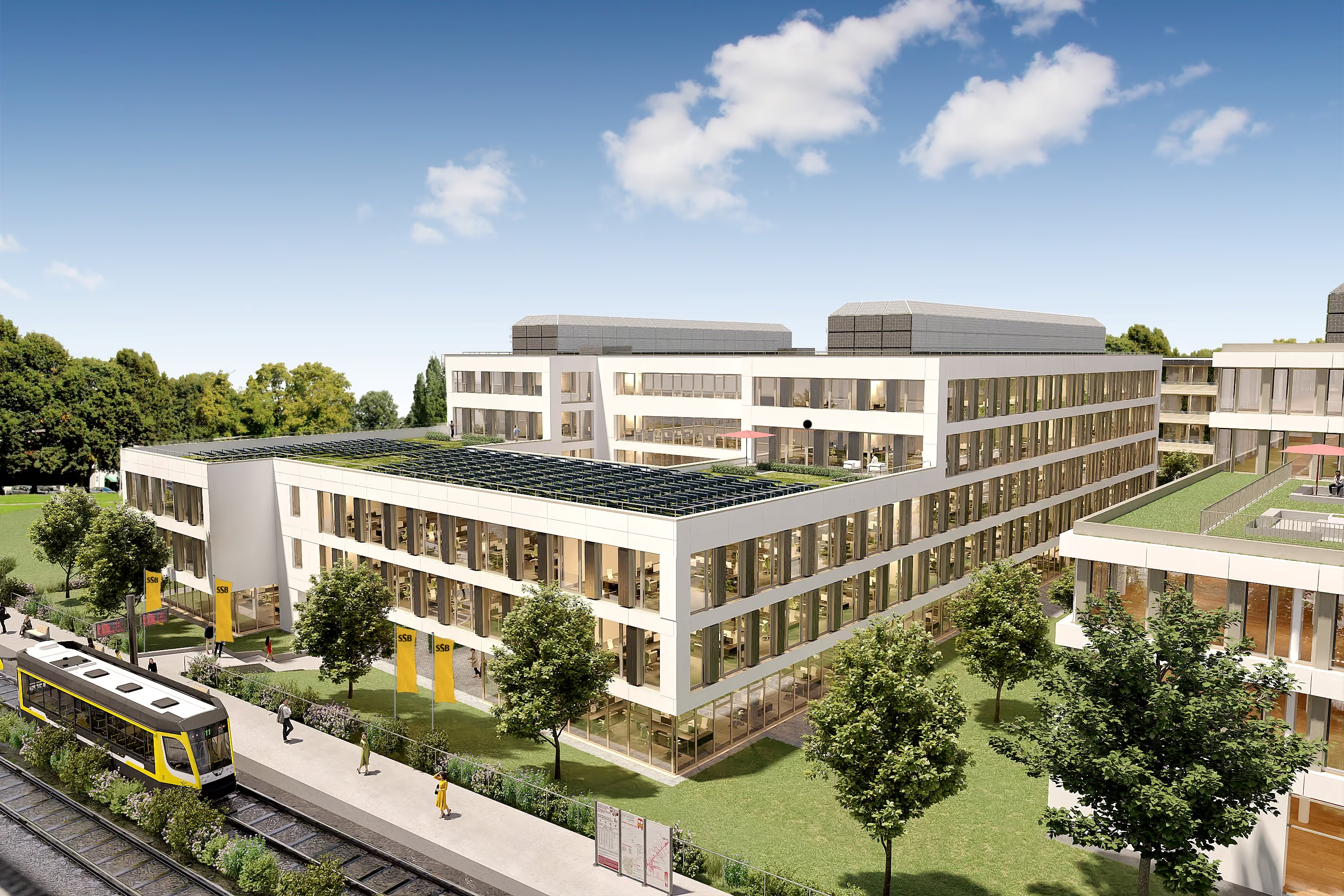
W2 Campus
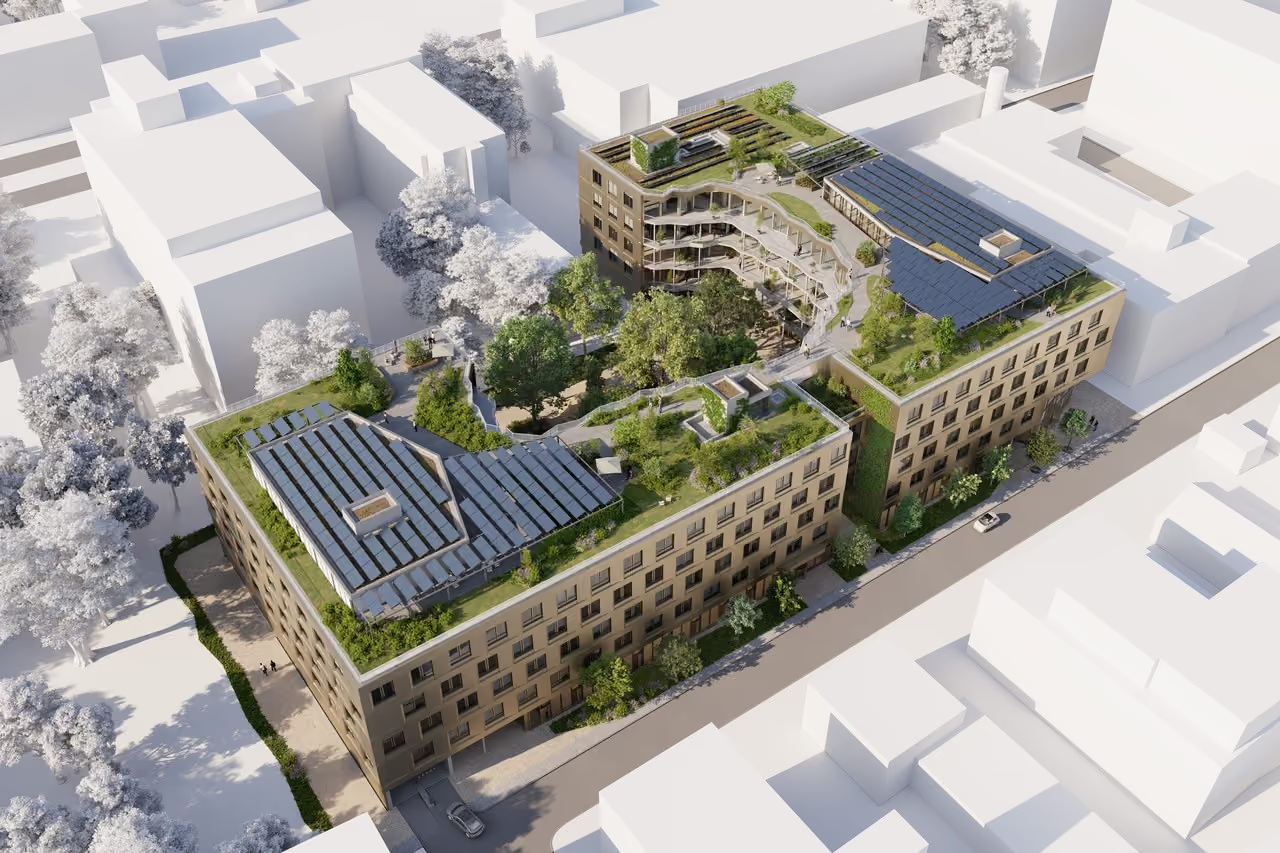
SUN Munich
.avif)
DMK Airport City Bremen
.avif)
Seestern
Frequently Asked Questions
Does the investment pay off despite the additional fees in cost group 700 and potentially higher construction costs?
If you are taking out a loan and the KfW terms are better than those of your local bank: yes. A portion of the funding goes toward the future viability of the property, such as systems for generating renewable or low-carbon energy. This lowers long-term operating costs and increases resale value. We will run the numbers in our analysis before you commit.
How do we register for QNG certification, and who else do we need on our team?
The KfW loan is applied for by an energy efficiency expert on behalf of the building owner. At the same time, the auditor registers the project regarding QNG requirements. Both roles can be filled by the same person or company, but this is not required.
What are the most common reasons for application failure?
At the CO2 limit. For residential buildings, this is a maximum of 24 kilograms of CO2 equivalents per square meter per year. For non-residential buildings, it cannot be stated as a fixed value but is calculated via GEG or GModG certification. Since tenant electricity is factored in at a fixed rate, compliance is only possible if the share of renewable energy generated on-site is high or the construction is low-carbon. This assessment is the first step and determines whether you proceed with the process.